
How to Break Up Your Bass Fishing Day (And Why It Actually Matters)
Reggie Thompson · May 7, 2026 · 4 min read
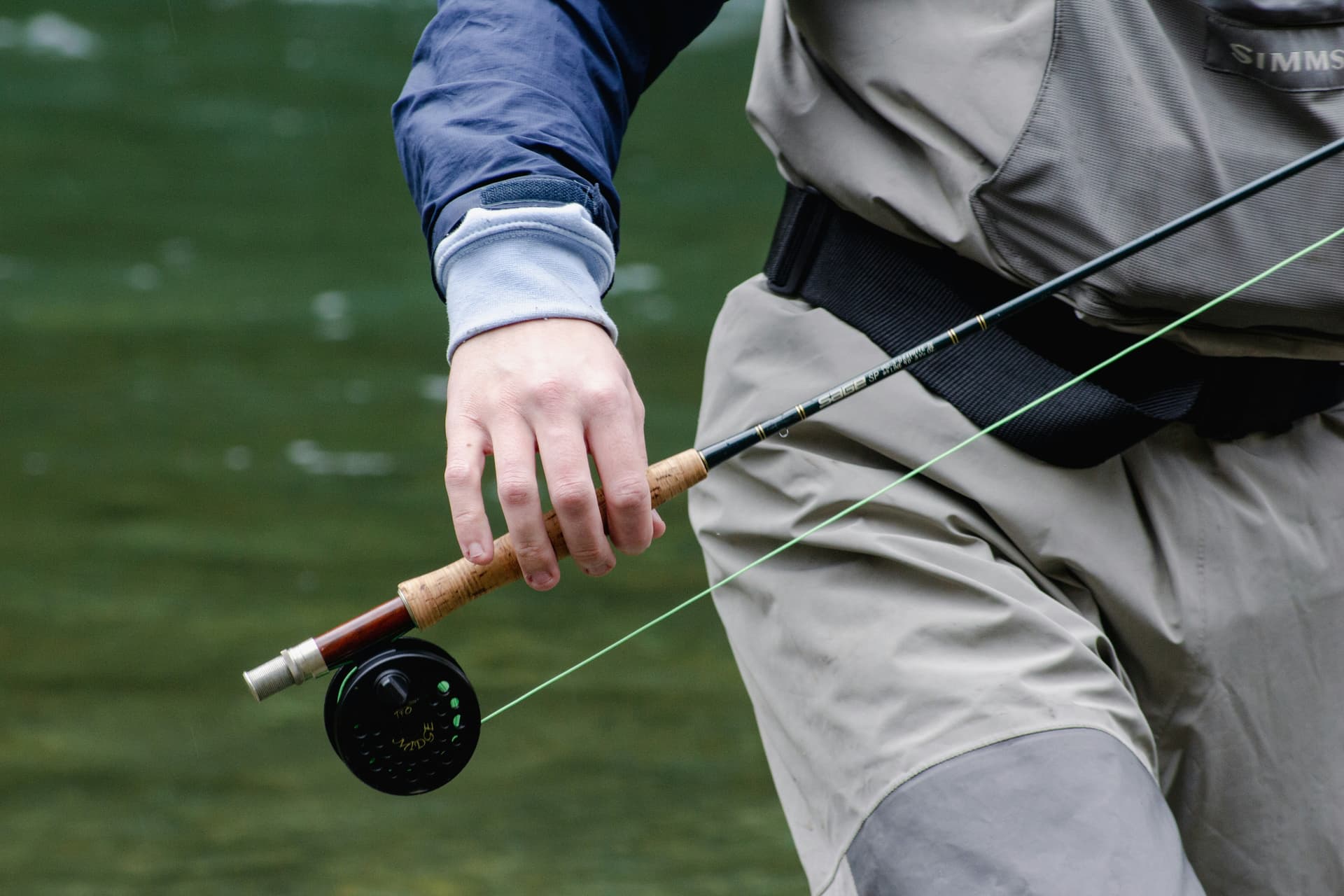
I see a lot of fishing content built around the idea of maximizing time on the water. Start early, go all day, stay late. More time fishing equals more fish.
That's not really how it works.
The best bass fishing I've ever had follows a different pattern: get on the water early, have a serious midday break, and get back out in the late afternoon or evening. The middle hours are often not worth the misery, and the evening is often the best fishing of the day. Skipping the peak heat isn't lazy. It's smart.
Here's what I've learned after decades of doing this on the family lake in Michigan's Upper Peninsula.
Why Early Morning Is Non-Negotiable
I've written about early morning fishing before, but it's worth saying again: if you're not on the water before sunrise or shortly after, you're missing the best window.
Bass are most actively feeding in low light. The water is coolest, the surface is calm, and fish that spent the night in deeper, comfortable water move up into the shallows to eat. In the UP, the mist coming off the water in early July is about as peaceful as it gets. But the fish are also just genuinely there and feeding.
Two summers ago I woke up at 5 AM alone while everyone else slept in. Just me and the lake at first light. Caught a big largemouth from the dock. Had it cooked in the firepit in tin foil by the time anyone else was awake. That fish required exactly one thing from me: getting up early.
The morning window is roughly from 30 minutes before sunrise until about two hours after. After that, light intensity increases, water temperature starts climbing, and bass begin pulling back toward deeper structure.
The Midday Problem
From roughly 10 AM to 3 PM in summer, bass fishing often falls apart. Here's why:
Bass are cold-blooded. In hot weather, they're temperature-seeking. They move to deeper, cooler water and become lethargic. They're still there. They're not eating much. You can fish midday and catch occasional fish, but you'll work much harder for fewer results.
There's also the practical reality: midday on the lake in summer is hot. You're fighting the sun, your energy drops, and the experience is not particularly enjoyable. My dad used to smoke cigars in the boat during the evening session to keep the UP mosquitoes away. I don't smoke cigars. I just wear long sleeves and accept my situation.
Use the middle of the day for something else. Eat. Nap. Prepare your gear. Look at what you caught in the morning and think about what you want to try in the evening. The break is part of the strategy.
The Evening Session: Often Better Than Morning
This is the part most guides underemphasize. Evening fishing, especially in summer, can be exceptional.
As temperatures drop in late afternoon, bass start moving again. By dusk, the active feeding window reopens. And after dark, particularly in the UP where it doesn't get fully dark until 9:30–10 PM in midsummer, bass feed aggressively in very shallow water.
Topwater fishing after dark is some of the most exciting bass fishing there is. The fish can't see the lure clearly, they're keying on surface disturbance, and when they hit they hit hard. It's all feel.
My biggest largemouth came at around 11 PM with a buddy in the boat. He screamed when we netted it. That fish beat my grandfather's record that had been hanging on the cabin wall for decades, by about a quarter inch. We could not have caught that fish in the middle of a July afternoon.
How to Organize the Day
Here's the practical breakdown:
Before sunrise to 9 AM: Be on the water. Fish the shallows. Work dock edges, weed lines, any structure where fish were last evening. Crankbaits, jerkbaits, and topwater all work well.
9–10 AM: The action typically starts slowing. Wind down and head in.
10 AM to 3 PM: Off the water. This is your break. Don't fight it.
3–4 PM: If you feel like it, try a deeper presentation in deeper structure. Fish slow. You'll catch some. But keep expectations moderate.
4–5 PM onward: Get back out. The evening window is open. In summer, it stays open past dark.
Dusk and after dark: If conditions are right — calm water, no wind — switch to topwater. Walk-the-dog lures, frogs, and Rapalas worked slowly across the surface. Pay attention. The take will happen when you least expect it.
The Common Mistake
People feel guilty about the midday break. Like they're wasting fishing time. They push through, sweat, get demoralized by slow fishing, and leave earlier than they should — missing the evening entirely.
Don't do that. The midday break is the move that makes the evening session possible. Come back rested, cooler, and ready to fish. You'll catch more and enjoy it more.