
US Anglers Harvest Up to 48 Times More Fish Than the Official Count
Reggie Thompson · August 28, 2026 · 3 min read
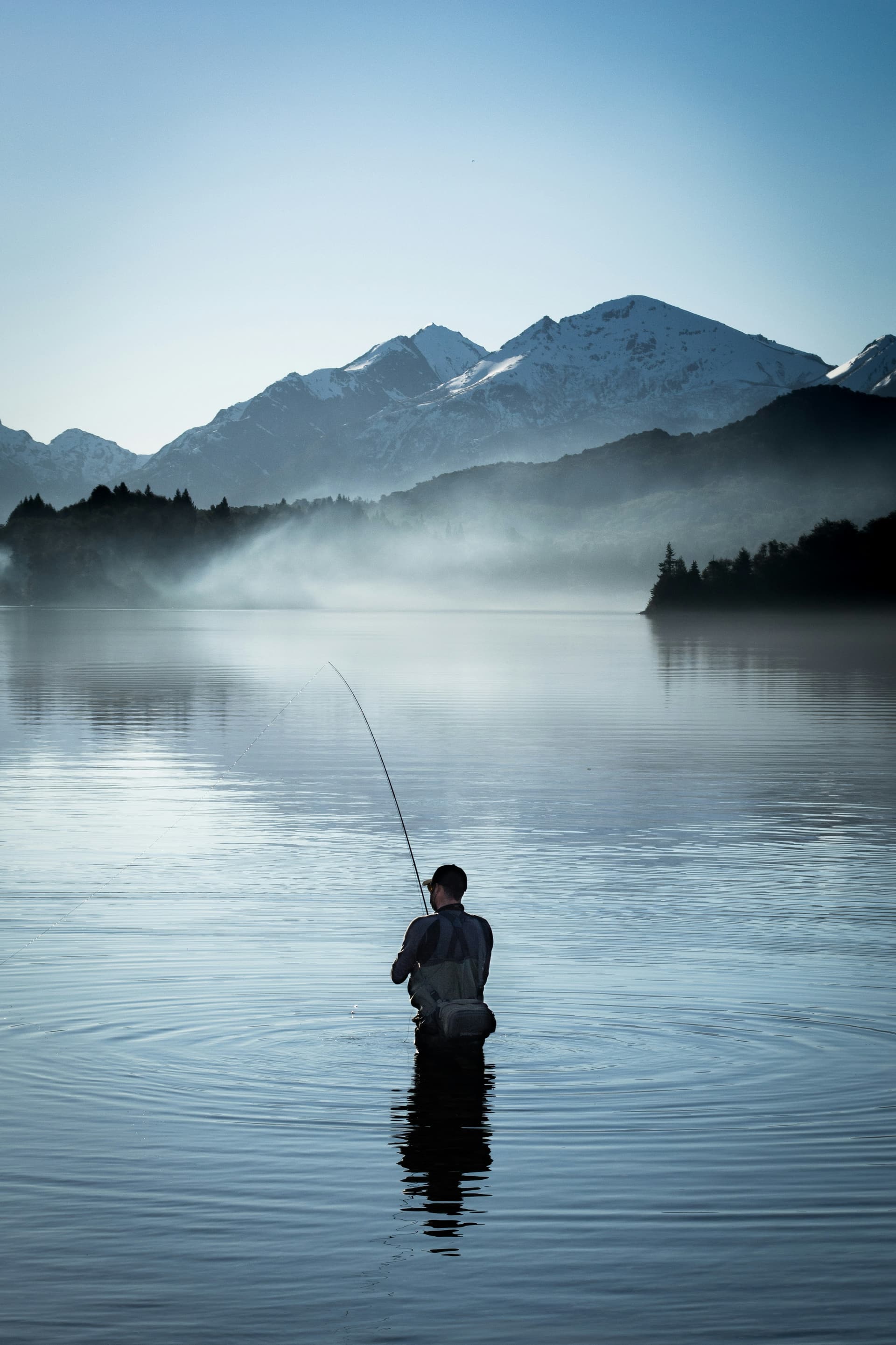
A new study set out to measure something nobody had put a solid national number on before: how many fish recreational anglers actually harvest from inland lakes, ponds, and reservoirs across the United States. Researchers built a model called CreelCatch, drawing on the U.S. Inland Creel and Angler Survey Catalog, that projects fishing harvest based on fishing effort, water body area, and regional effects. What they came back with: recreational fishing harvest from lakes in the conterminous United States runs somewhere between 236,000 and 671,000 tonnes of fish a year. That's 17 to 48 times more than the total inland harvest the U.S. reports to the United Nations.
Why the Official Number Was So Far Off
The researchers frame recreational fisheries broadly, as contributors to food security, local and regional economies, and the social and cultural life built around fishing, not just a raw pounds-per-year figure. Even so, inland recreational fisheries, they write, are "often overlooked by policymakers" due to a limited understanding of how many people fish, how much they harvest, and what that harvest is worth economically. The CreelCatch model, and the national survey catalog it draws on, is the researchers' attempt at an initial estimate of that gap, projecting harvest across lakes, ponds, and reservoirs instead of leaving inland recreational harvest an open question.
The Catch
This is a model, not a headcount. The researchers built their estimate on a stated set of assumptions layered onto real creel survey data and fishing-effort patterns, which is a reasonable way to approach something this scattered, since putting a biologist on every farm pond in America isn't realistic. But it also means 236,000 to 671,000 tonnes is exactly that, a range, not a settled number. The study frames itself as an initial estimate meant to put inland recreational harvest on the radar for people managing fish stocks, not a final tally of exactly how many pounds came out of the water last year. The authors also note this harvest may deserve more consideration in how fish stocks and ecosystems get managed going forward, without claiming their numbers prove any specific stock has been damaged by it.
What This Recreational Fishing Harvest Number Means on the Water
I've never thought of my own fishing as adding up to anything on a national scale, and this study isn't really about individual anglers anyway, it's aimed at the people who manage fish stocks and set policy. But it made me think about my own habits differently. Every trip to Canada with my uncle, we keep walleye and eat it at basically every meal for a week. My family's cabin lake has produced fish for five generations, some kept, plenty released. None of that felt like it belonged in the same sentence as "national harvest statistics" until I read this. It still doesn't change what I do on the water. I'm not going to stop keeping a limit of walleye on a trip I only take once in a while, and the study doesn't say I should. What it changed is how seriously I take the idea that recreational anglers, collectively, are a bigger part of the picture than the official numbers ever gave us credit for. That's part of why I lean toward releasing the biggest fish you catch rather than keeping every trophy, and it's the same instinct behind how I fish for walleye in Canada: take what you'll actually eat, let the rest go.
This is one model built on real survey data, not a census, and it's worth reading the range (236,000 to 671,000 tonnes) as a wide estimate rather than a precise count.
Citation
Robertson, M. D., Embke, H. S., Lynch, A. J., Midway, S. R., & Paukert, C. P. (2026). Inland recreational fisheries harvest far exceeds reported inland harvest in the United States. Fisheries. https://doi.org/10.1093/fshmag/vuag014