
We're Releasing More Fish Than Ever. Just Not the Big Ones.
Reggie Thompson · July 17, 2026 · 4 min read
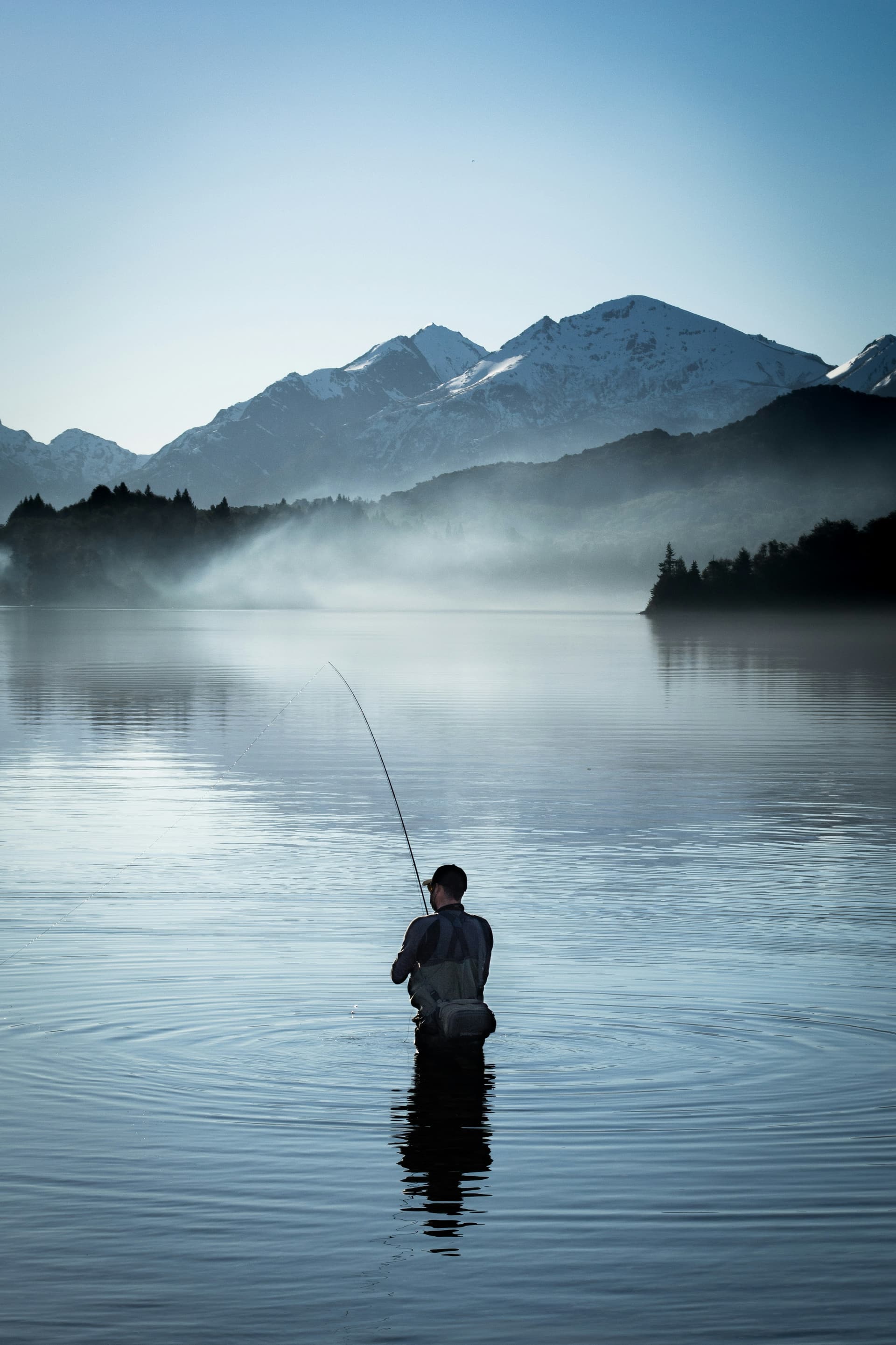
Anglers are letting more fish go than they used to. A lot more. But the biggest fish in the lake, the ones that matter most for what you catch three years from now, are still the ones most likely to end up in the cooler.
That's the short version of a new study out of Sweden, and it's worth a few minutes if you've ever stood there with a personal best in the net wondering whether to keep it. The question of whether you should release big fish turns out to have a real population-level answer, even if the emotional answer is more complicated.
What the Study Actually Tracked
Two researchers, Henrik Flink and Petter Tibblin, pulled catch records from an online fishing license platform in Sweden and analyzed more than a million individual fish. The data spanned 2011 to 2024, covered 39 species, and came from 1,286 separate inland fisheries, meaning lakes and rivers, not the ocean. Fourteen years of recreational catch data in one place is rare. Most fishing behavior gets studied through surveys and small samples, so a dataset this size is the interesting part before you even get to the findings.
What They Found
Two things, and they point in opposite directions.
First, the good news. Catch-and-release went up across the board. The share of fish released climbed from about 53 percent in 2011 to 71 percent by 2024. Anglers, at least in this dataset, are keeping fewer fish over time and letting more swim off.
Then the wrinkle. When the researchers sorted catches by fish size, the trend flipped for the biggest fish. For four of the six main target species, longer fish were released less often than shorter ones of the same species. In the authors' words, "longer individuals were released less frequently than shorter conspecifics." The six species they focused on were northern pike, European perch, zander, European grayling, brown trout, and arctic char. The paper notes that large individuals are the ones most critical for recruitment, which is a polite way of saying the fish you most want to leave in the water are the ones getting taken out.
The Catch
One study, however big, doesn't settle a question like this. Flink and Tibblin were upfront that they did not measure why anglers kept the fish they kept. Local harvest regulations weren't part of the data, so a lot of the size pattern could come down to slot limits and legal minimums rather than pure angler choice. The size trend is a correlation the data revealed, not a proven cause.
There's also the obvious gap for us. These are Swedish freshwater species. Northern pike and brown trout overlap with what I chase, but zander, grayling, and arctic char are not exactly Midwest cooler fish. Read this as a pattern in angler behavior, not a rule about your specific lake.
So Should You Release Big Fish?
Here's my read, and I'm marking it as mine because the study doesn't tell you what to do with your own catch. The demographic logic travels even when the species don't. A big female carries far more eggs than an average one, and she's proven she can survive long enough to get big, so letting a giant go does more for a lake than releasing a dink ever could.
I also understand the pull, because I didn't always practice what I'm preaching. My biggest largemouth is mounted on the wall at our cabin in the UP, a quarter inch longer than my grandpa's old mount, caught close to midnight with a buddy who screamed when we netted it. Zero regret on that one. So I'm not going to lecture anybody about keeping a true fish of a lifetime.
But the everyday big fish, the better-than-average pike or the fat perch, those mostly go back for me now. A rubber landing net and a quick photo make it painless, and on a small water you fish often, the trophy you release in July is the one somebody catches again a couple summers later. That is the whole argument, and this study is one more data point supporting it rather than the final word on it.
Citation
Flink, H., & Tibblin, P. (2026). Catch-and-release is on the rise, but large fish remain vulnerable. Fisheries. https://doi.org/10.1093/fshmag/vuag011