
Many Wisconsin Perch Lakes Are Slow-Growing. The Authors Flag Some That Aren't.
Reggie Thompson · October 9, 2026 · 4 min read
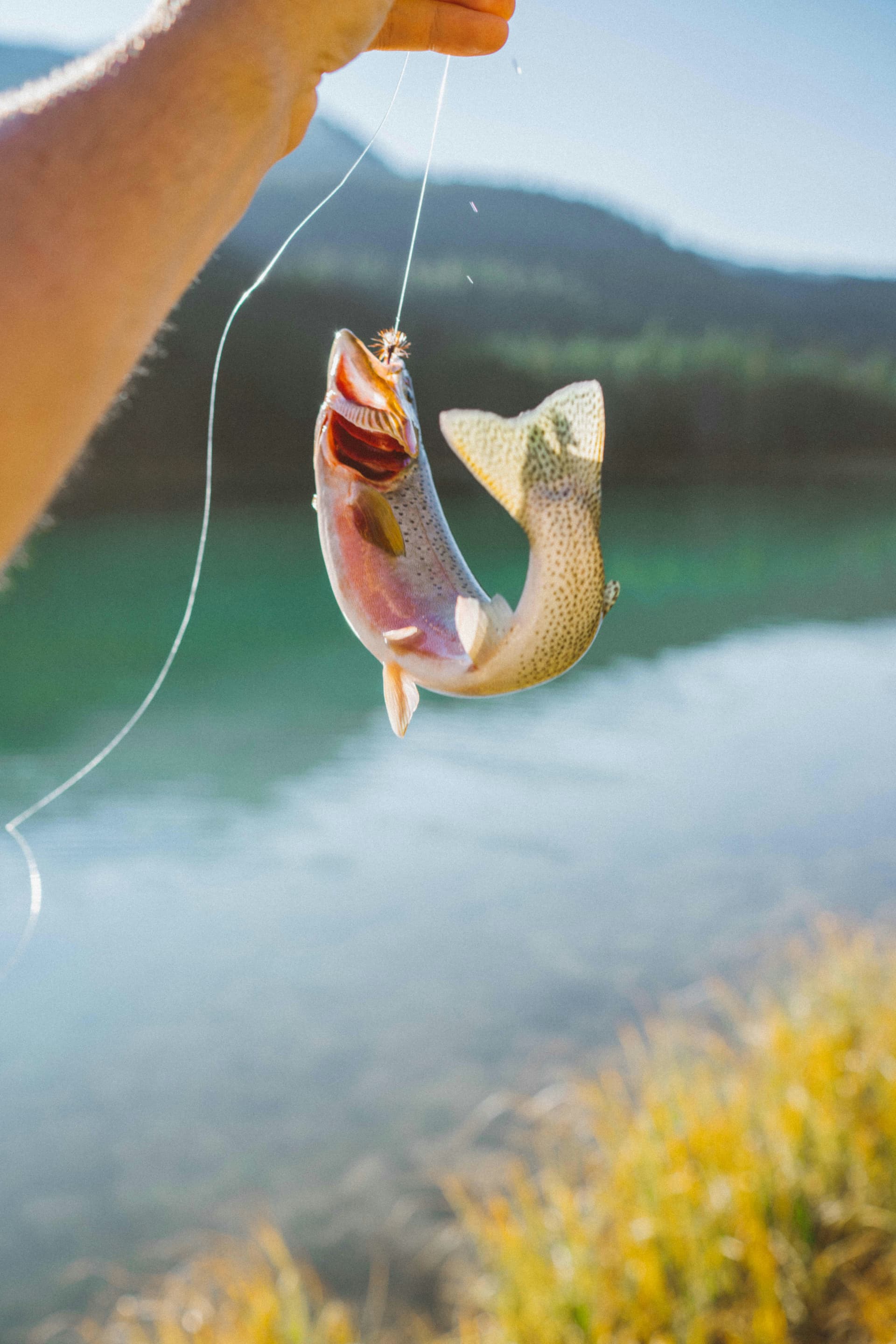
Recent studies suggest yellow perch size structure has declined in Wisconsin and Minnesota. A new study looked at 31 Wisconsin lakes and found that many of the perch populations grow slowly and have limited capacity to produce fish of 200 mm or more. The authors also name size numbers that may mark exceptional lakes.
What the Wisconsin team measured
The authors point out that yellow perch don't get standardized sampling and their ages are rarely estimated, so we know little about most perch populations in the upper Midwest. To start filling the gap, they described the age and length makeup of 31 Wisconsin populations.
The fish came from spring fyke-net surveys in 2018 and 2019, mostly from lakes in the northern third of the state. The lakes ranged from 34 to 2,550 hectares. For each population the team calculated mean length at age 4, maximum age, a size-structure score called PSD, and the average length of the five biggest fish sampled. Then they checked which of those numbers moved together and whether any lined up with lake conditions or with catch rates of other fish.
Finding big perch lakes the study's way
Mean length at age 4 was under 175 mm for 54% of the populations (15 of 28 populations). The median maximum age was 8 years, and the median PSD was 15. Average length of the five biggest fish ranged from 140 to 277 mm, with a median of 229 mm.
Lakes where perch grew faster at age 4 also tended to have higher PSD and bigger top-five fish. Those are correlations, and the study reports them as such. Maximum age was also correlated with the length of the biggest fish.
The study did not find much tying perch size and age to the outside world. Perch metrics were not correlated with catch rates of walleye, largemouth bass, or bluegill. Among the environmental variables, mean length at age 4 was positively correlated with shoreline development, and maximum age was negatively correlated with lake surface area and growing degree-days.
The authors' bottom line: many of the populations were slow growing with low size structure and limited ability to produce fish of 200 mm or more. They suggest that lakes with a PSD of 32 or higher and a top-five length of 245 mm or more may be exceptional chances to catch relatively large perch, and could deserve a closer look to learn what drives them.
The catch
A few things limit how far this goes. The authors say their PSD estimates may be biased high. Fewer than 75 perch were measured in 9 of the 31 populations. The authors also say harvest may have played some part in past declines, but only 5% of Wisconsin anglers interviewed in creel surveys reported keeping at least one perch, so they say it's difficult to argue harvest was mainly responsible. They mention density-dependent growth and predation as other possibilities, and this study doesn't test them.
This is one study of one state, mostly from the northern part of it. It is not a consensus finding on why perch are shrinking.
Where I'd look for bigger perch
Everything here is my read, not the study's.
I've caught a lot of yellow perch in the UP, and I can't tell you whether my cabin lake would score well or badly on any of these measures. The study can't tell me either, since it covers Wisconsin lakes only.
What I take from it is the benchmark. If a lake's perch average around 229 mm for the biggest five, that's the middle of the Wisconsin pack. A fisheries report that lists PSD or top-five length for your local lake now gives you something to compare. Asking your DNR biologist for those numbers before a long drive to a perch lake seems worth the phone call. [INTERNAL LINK: ice fishing for yellow perch]
I'd also be careful about the lake-size and warmth results. They are correlations from 31 lakes, and I wouldn't pick a lake based on shoreline shape alone.
Citation
Davis, Dembkowski, Eastman, & Isermann (2026). Describing Yellow Perch population characteristics in Wisconsin to better understand observed declines in size. North American Journal of Fisheries Management. https://doi.org/10.1093/najfmt/vqag081