
Fly Fishing Gear Checklist: What You Need and What You Don't
Reggie Thompson · May 5, 2026 · 4 min read
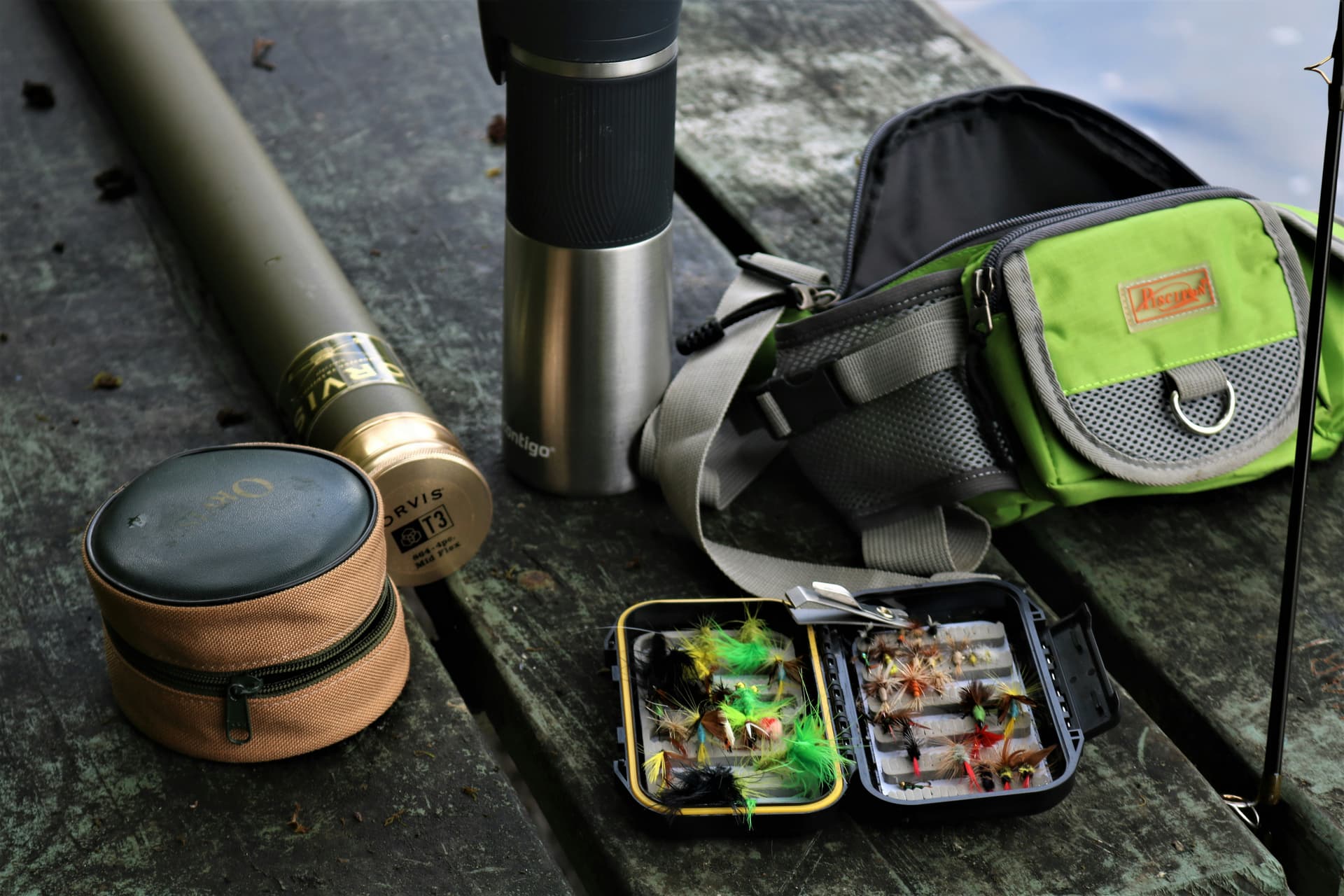
When I started fly fishing, I bought a few things I never used. They're sitting in a bag somewhere, still mostly in original packaging. In hindsight, I could have asked better questions before buying them. Nobody told me what I actually needed.
So here's the checklist I wish someone had handed me. It's split into what you actually need on day one, what's worth adding after a few trips, and what you can ignore for a long time — maybe forever.
The Non-Negotiables
These are the things you can't fish without. Every item on this list is required.
Rod and reel. You knew this. Get a 5-weight outfit for freshwater trout, bass, and panfish. An outfit that comes with rod, reel, and line matched together is the smarter buy than piecing it together yourself. I covered this in detail in the setup guide.
Fly line. Already included if you bought a complete outfit. If not, a weight-forward floating line in the matching weight to your rod.
Leader. Also included in most outfits. A 9-foot tapered leader to start.
Tippet material. Small spool of 5X for most freshwater situations. Cheap. Buy two.
Flies. You need a starter selection. Not 300 flies. A dozen. See my setup guide for the specific ones I'd carry.
Polarized sunglasses. Non-negotiable. Not just for seeing fish, though they help. Protecting your eyes from a hook moving at speed is the real reason. Any polarized sunglasses work. You don't need special fishing sunglasses.
Small nippers. For cutting tippet. The ones that come on a zinger retractor so they clip to your vest or pack. Cheap and essential.
Forceps or hemostats. For removing hooks cleanly. Also inexpensive. Get them.
A way to carry your flies. One small flat fly box that fits in a pocket. That's all you need at first.
That's the whole required list. Notice what's not on it.
What's Worth Adding After a Few Trips
These aren't day-one purchases, but they'll make the experience better once you know you're going to keep doing this.
Strike indicators (bobbers). For nymph fishing. If you're fishing below the surface, you need something to watch for the take. Yarn indicators or foam strike indicators are cheap and work well.
A landing net. Nice to have, not required. If you're catch-and-release fishing, a rubber mesh net protects the fish better than grabbing them by hand. But you can absolutely release fish without a net and I've done it plenty of times.
A wading staff. If you're getting into faster or deeper water. Not a beginner purchase, but it matters for safety if you're wading in current.
Dry fly floatant. Keeps your dry flies riding on the surface instead of sinking. A small bottle of Gink or similar goes a long way.
Line cleaner. A cloth or strip of leather to clean your fly line keeps it casting smoothly and extends its life. I wipe mine down every few trips. It takes two minutes.
What I Bought That Collected Dust
A full fishing vest. Mine has 12 pockets. I use three of them. A simple fly fishing pack or even just a shirt with good pockets does the same job for most people. Vests are useful if you're doing technical fishing with lots of gear and rigging changes. For a beginner on a trout stream, it's more than you need.
Extra spools with different lines. The idea is to swap out a sinking line when you want to fish deeper without buying a second reel. In theory, useful. In practice, I've never swapped a spool on the water. I just fished the floating line. If you're just starting out, one line does 90% of what you'll do.
A thermometer for water temperature. Supposed to help you figure out what bugs are hatching. I just look at the water and see what's flying around. Works fine.
Every gadget in the fly shop. Fly shops are good at selling accessories. A hook eye cleaner tool, a line straightener, leader wallet, hook sharpener, dehooker. Each one makes sense in isolation. Together they add up to fifty dollars and a lot of stuff in your pockets you don't touch.
What About Waders?
Waders are the gear question beginners fixate on, and I get it: they're expensive (good ones run $200–$500+) and visually associated with fly fishing.
You don't need them right away. I've caught plenty of trout fishing from the bank or wading in old shoes in shallow water. In summer in the Sierra Nevada, wet wading (just getting in with shorts or light pants) is comfortable and common.
Get waders when you find yourself limited by not having them. That will probably happen eventually, especially if you fish cold water in early spring or late fall. But it's not a day-one purchase.
The Gear That Genuinely Matters Most
Honest answer: a sharp, clear look at the water before you cast. Reading where fish might be, understanding the current, seeing where the food is drifting. None of that costs anything.
After that, casting practice matters more than gear. A good cast with a mediocre rod will catch more fish than a poor cast with an excellent one.
See also: How to Fly Fish for Beginners | Best Beginner Fly Fishing Setup
Buy the basics. Get on the water. Add stuff when you need it.