
Best Baitcasting Rod for Bass Under $100
Reggie Thompson · April 21, 2026 · 6 min read
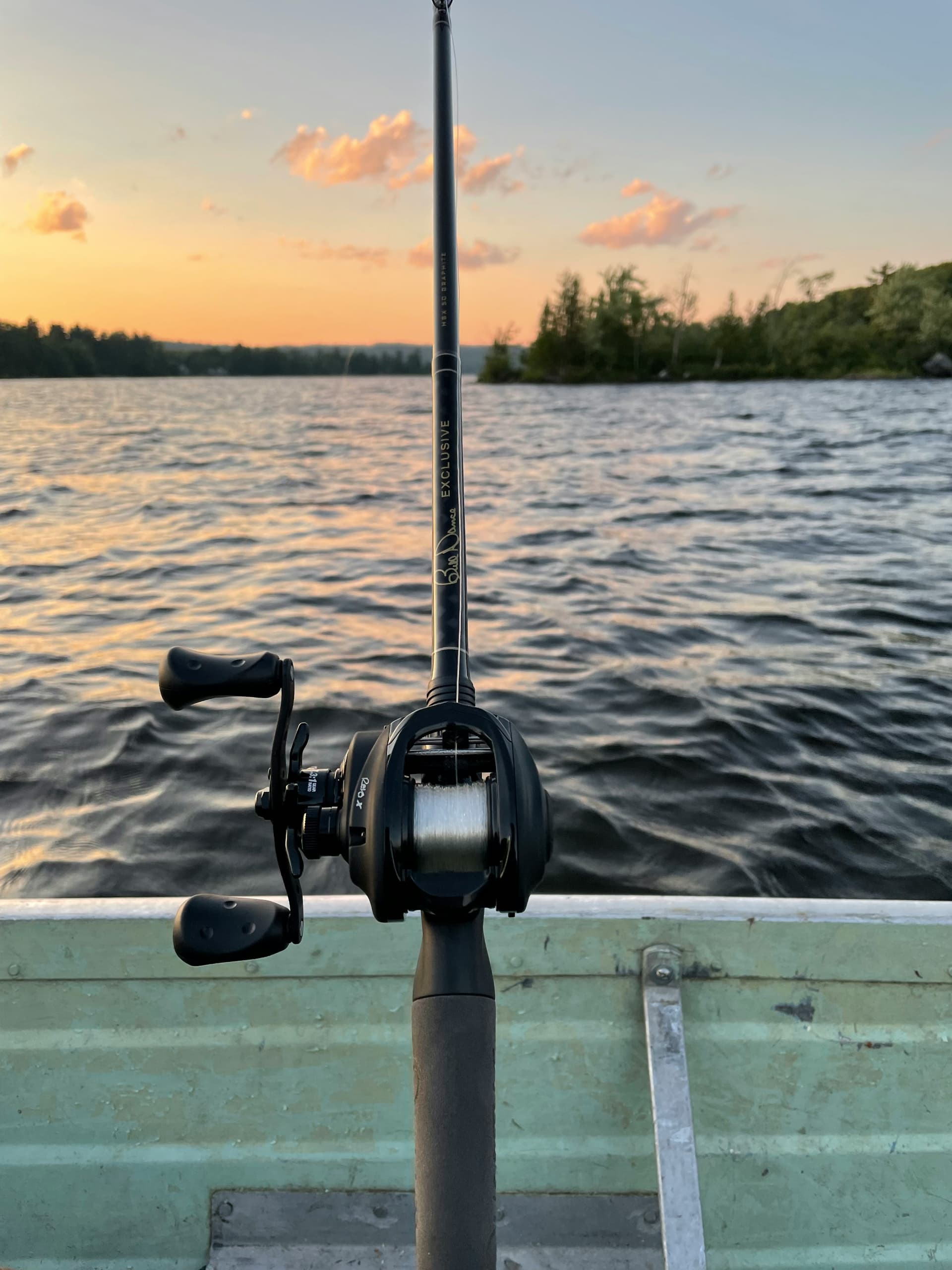
The baitcasting rod I fish most is my dad's old Shimano. Label's completely worn off. Probably 20 years old, medium-heavy, and it's caught more bass than I can count. I fish it at the cabin in the Upper Peninsula of Michigan every summer I get up there: smallmouth off the weed edges, largemouth near the docks at dusk. I've never once thought I needed something better.
That rod didn't cost a lot when it was new. I have no idea what it cost, because it wasn't mine. But it taught me something I've held onto: gear threshold is lower than the industry wants you to believe. You don't need to spend $200 on a rod to catch fish.
If I were buying a first baitcasting setup for bass today, under $100, here's where I'd go.
Power, Action, Length: What Actually Matters
Most beginner guides either skip the specs entirely or drown you in them. Here's the version you actually need.
Power is the rod's backbone — how much it takes to bend the blank. For bass, medium or medium-heavy. Medium loads nicely for moving baits like spinnerbaits and crankbaits, where you don't want to rip treble hooks out of a fish's mouth on the hookset. Medium-heavy has more muscle for jigs and heavy soft plastics, and for pulling fish out of cover without the rod going limp on you.
Action is where the bend happens. Fast action bends near the tip — more sensitivity at the end and a quicker, more decisive hookset. For beginners, fast action is usually the right call. Moderate action has its place for specific techniques like deep cranking or glass rods, but that's not where you want to start.
Length. Seven feet to 7'3". That's it. Don't overthink it.
If you want one rod that handles most bass situations, a 7'1" or 7'3" medium-heavy fast is the answer. Jigs, Texas rigs, spinnerbaits, lighter topwater. It does all of it.
The Two Rods Worth Buying
FishUSA Flagship Bass Casting Rod ($99)
This is FishUSA's house brand, and at $99 it's what I'd tell someone to start with.
The blank is a 30/36-ton graphite blend. The dual-modulus construction means the graphite is stiffer where sensitivity matters (tip) and slightly more forgiving where power matters (butt section). The handle design goes direct-to-blank, which cuts out the dead layer you get in some cheaper rods where you're basically holding EVA foam instead of the rod. You feel more. SeaGuide guides, cork handle, one-year warranty.
For general bass, the 7'3" medium fast is the workhorse. Good for spinnerbaits, crankbaits, moving baits where you want some tip forgiveness on the hookset. If you're fishing heavier — jigs in thick cover or bigger soft plastics — go medium-heavy.
What genuinely surprised me when I dug into this rod: the components are better than what you'd normally see at this price. Most rods under $100 cut corners on the guides or the reel seat. This one doesn't.
One thing I'll be straight about: I haven't fished this rod personally. It came out after I was already set up with my dad's Shimano, and I haven't had reason to switch. But I've read enough credible reviews and I trust FishUSA's track record with their Flagship line enough to recommend it here. If you try it and it turns out I'm wrong, that's on me.
FishUSA Flagship Bass Casting Rod on FishUSA
Douglas ERA Casting Rod: If You Want to Spend Less
Douglas isn't a flashy brand but they make good rods. Their ERA fly rod gets consistent praise in fly fishing circles for punching above its price, and the casting rod is built on the same philosophy.
The ERA lineup is technique-specific, which is either useful or annoying depending on where you are. The crankbait model has a moderate action that loads slowly and keeps treble hooks from pulling, which is good if you're throwing shallow divers. The chatterbait and Texas rig model is faster. Worth looking at the full spec list before buying rather than just grabbing whichever one ships first.
It's the right choice if the Flagship is out of stock in your size, or if you want to keep a bit more cash in your pocket.
Douglas ERA Casting Rod on FishUSA
What to Skip
Don't buy a combo — a rod and reel packaged together from a big box store. The economics of combos means both pieces are worse than they'd be bought separately. Buy a $99 rod and a separate entry-level reel from a brand you've heard of, and you'll end up with a meaningfully better setup for about the same money.
Don't go lighter than medium power because you think it'll make bites easier to feel. Baitcasting gear is built for heavier applications. If you want a light, sensitive setup for finesse fishing, a spinning rod is the right tool, not a light-action baitcaster.
And don't get pulled into graphite modulus marketing. At this price range, 30-ton versus 40-ton is not what makes or breaks a rod. Fit, balance, and how it feels in your hand matter more than any number on the label.
About That Learning Curve
Baitcasting reels backlash. The spool overruns the line and you get a bird's nest. It happens to everyone starting out, and it will happen to you, and it will happen at the worst possible moment, usually on a cast you were excited about.
It's not a defect. It's the format. Set the reel's brakes conservatively at first, practice with a heavier lure, and plan on your first few sessions being more about casting mechanics than catching fish. Once you get the feel for feathering the spool with your thumb and matching the brake to the lure weight, it clicks. After that you'll wonder why you ever used anything else for bass.
The rod matters less than the time you put in. My dad's old Shimano works because I've made ten thousand casts with it.
Once you have the setup dialed, timing matters just as much as gear. Read more on early morning bass fishing.
My Take
Get the Flagship in medium-heavy fast action. Spend the money you saved versus a fancier rod on a quality reel. The reel is at least as important as the rod in a baitcasting setup, and a cheap reel on a decent rod is a frustrating combination.
My dad's worn-out Shimano has caught more fish than rods worth three times what it cost. Start somewhere reasonable, get your casting mechanics down, and upgrade only when you know specifically what you want to change.