
Best Rapala Lures for Bass: What Actually Works
Reggie Thompson · April 18, 2026 · 7 min read
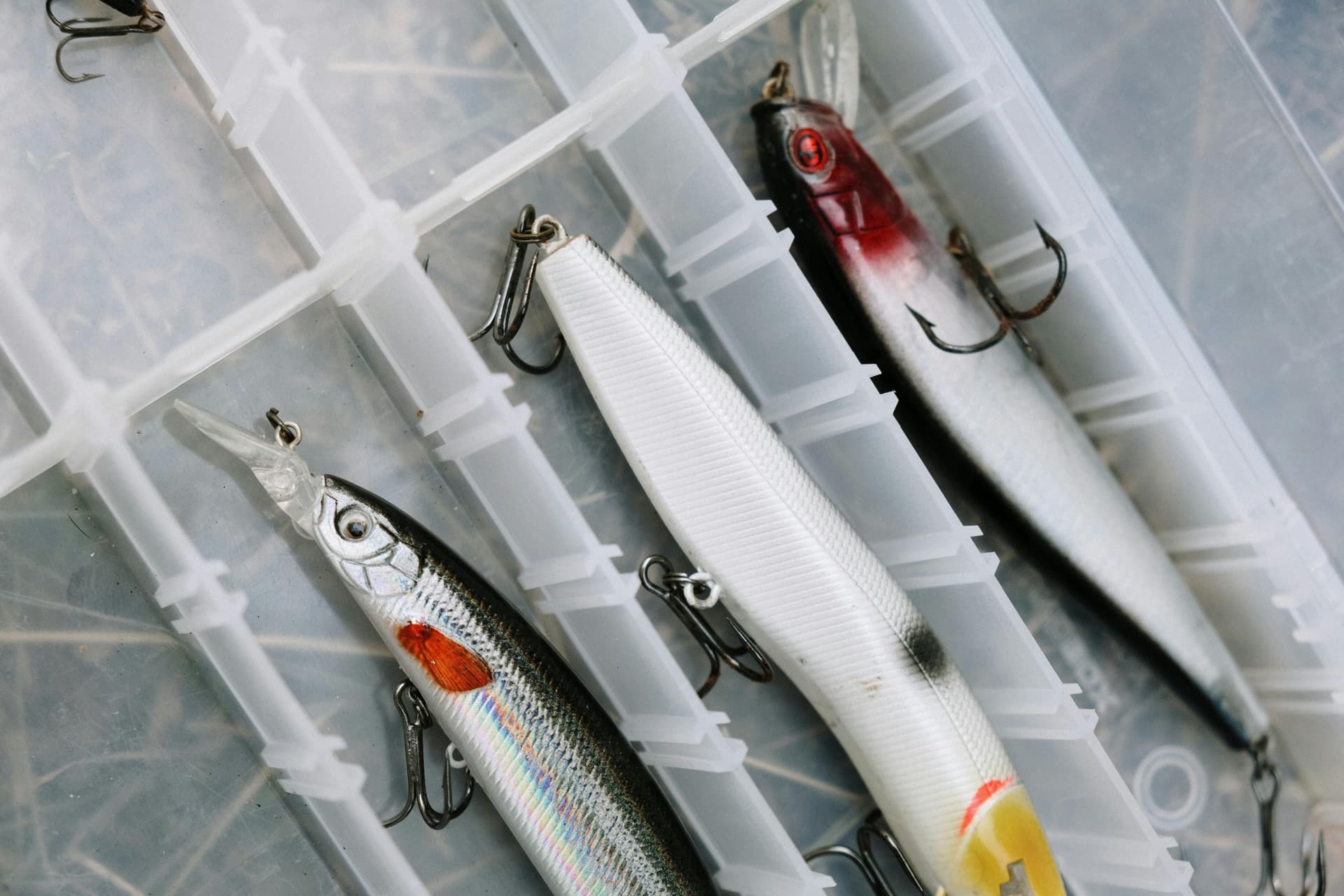
There's a tackle box at my family's cabin in the Upper Peninsula of Michigan that has been accumulating lures for about fifty years. There are some rusted spoons in there. A few things with no hooks left. A handful of neon soft plastics that have never caught a single fish, because I bought them on optimism and they deserved to stay in the box.
And then there are the Rapalas.
The Rapalas are the ones I actually tie on. They've been the ones I actually tie on since I was old enough to cast by myself. I'm not going to tell you they're magic. I've had plenty of slow mornings throwing a Rapala at bass and coming home empty. But when I want to catch something, that's where I start.
This isn't a comprehensive review of every Rapala ever made. It's three lures I've fished long enough to have real opinions about, and one honest note about what they don't do well.
Why Rapala for Bass in the First Place
The short version: Rapalas are balsa wood, hand-tuned, and they move like a hurt baitfish. Bass eat hurt baitfish. That's the whole story.
The longer version is that I've tried a lot of alternatives over the years — including some truly embarrassing purchases involving neon-colored rubber baits that looked like they'd been designed by someone who had never seen a fish — and I keep coming back to Rapalas because they work on water I know, in conditions I fish regularly. They're not the only lure I'd recommend for bass, but they're the one I'd tell a beginner to start with, and they're the one I reach for when I'm not in the mood to experiment.
For bass specifically, three models are worth knowing.
1. Rapala Original Floater: The One That Started Everything
If you've ever seen a Rapala, this is probably what you pictured. The Original Floater has been around since the 1930s and looks exactly the same as it did then: slim balsa body, two treble hooks, painted to look like a small minnow. It floats at rest and runs just below the surface on a slow retrieve.
I've caught more bass on this lure than anything else I own. I've also caught bluegill, perch, walleye in Canada, and at least one northern pike that had no business hitting something that small. It's not a finesse bait and it's not a deep-water bait. It's a searching bait you throw when you want to cover water and find out where fish are sitting.
In the early morning, before the surface warms up and bass are still pushing into the shallows, the Original Floater is what I reach for first. Slow retrieve along weed edges or parallel to dock pilings. Let it sit for a second after it lands, then start. The pause after the cast does more work than people give it credit for.
Where it struggles: Midday in clear water, the surface glare and warmer temps push bass deep, and this lure stays too shallow to reach them. It's also not great in heavy weeds — the trebles catch on everything. Don't force it in conditions it's not built for.
Sizes: I usually fish the F09 (3½ inch) for bass. Go up to the F11 if you're targeting bigger fish or throwing at dusk.
2. Rapala CountDown Minnow: For When Bass Have Gone Deep
The CountDown is basically the Original Floater's cousin, except it sinks instead of floats. And the trick — the thing that makes it actually useful rather than just "a lure that sinks" — is that it sinks at exactly one foot per second. So if you count to five before you start your retrieve, you know you're fishing at five feet. Count to eight, you're at eight feet.
This matters in the middle of a Michigan summer when the bass have moved off the shallows and you need to find them in the water column. The Original Floater won't reach them. The CountDown will, and you can dial in the depth methodically instead of just hoping.
I'll be honest that I use this one less than the Original Floater. My fishing on the family lake is mostly early morning when everything's still shallow. But on days when I come back out in the evening and the fish have moved, the CountDown has saved more than a few slow sessions.
The retrieve is similar: slow and steady, with occasional twitches. The sinking action on a pause is where fish often hit.
Sizes: CD07 (2¾ inch) is my go-to for bass. If you're on water with bigger forage fish, step up to the CD09.
3. Rapala Shad Rap Elite: When You Need a Crankbait
The Original Floater and CountDown are minnow-profile baits. The Shad Rap is a different shape: wider body, more of a crankbait wobble, imitates a shad or small panfish rather than a minnow. When bass are keyed on different forage or you want a louder, more aggressive presentation, this is where you go.
I came to the Shad Rap later than the other two and I don't have the same decades of history with it, so I'll say that upfront. What I can tell you is it's a legitimate addition to a box that already has Floaters in it. It's giving you a different look and a different action, which matters when you're fishing pressured water or the same lake trip after trip.
The wobble on the Shad Rap is wider and more pronounced than the minnow baits. You can feel it through the rod. Cast it, let it dive to depth, and do a medium retrieve with occasional pauses. Works well bumped along the bottom near structure too, though watch for snags.
A note: The classic Shad Rap is temporarily out of stock at FishUSA right now. I'd grab the Shad Rap Elite instead, which is the updated version with the same action and better hardware.
The Gimmick Bait Problem
I want to say something about the other end of the spectrum, because I've been there.
At various points I've bought neon tail grubs, soft plastics that looked like tiny octopuses, and scented baits that smelled like something you'd use to clean a garage. I bought them because they looked interesting on the rack at a sporting goods store, or because someone online was enthusiastic about them, and I wanted to believe there was some trick I was missing.
There wasn't. None of them caught fish on the water I fish. Most of them are still in that tackle box at the cabin, which is where they'll stay.
I'm not saying those baits don't work anywhere. I'm sure they do, for someone, somewhere. But if you're fishing Midwestern lakes for bass and you're trying to figure out where to start, start simple. A Rapala Original Floater in a natural color costs you about eight bucks and has been catching bass since before your parents were born. That's a reasonable place to put your confidence.
For when to throw these lures and how to time your day on the water, read Early Morning Bass Fishing: Why It Makes or Breaks Your Day.
Colors: Don't Overthink It
Natural colors work. Gold and black (the classic). Perch. Fire Tiger if you want something a little more visible in stained water or overcast conditions. I don't have strong feelings about color beyond that, and I'm skeptical of anyone who claims to.
The fish in my go-to lake in the UP have been eating silver and gold Rapalas for generations. I don't see a compelling reason to change that.
My Take
If you fish freshwater bass in the Midwest and you want a short list of lures to actually have confidence in, here it is: Original Floater for shallow water and early morning, CountDown when you need depth, Shad Rap Elite when you want a crankbait profile. Three lures, all from the same brand, all balsa wood, all proven on real fish over a long time.
You don't need more than that to start. You probably don't need more than that ever.