
Best Fly Fishing Line for Beginners: What to Buy First
Reggie Thompson · May 22, 2026 · 6 min read
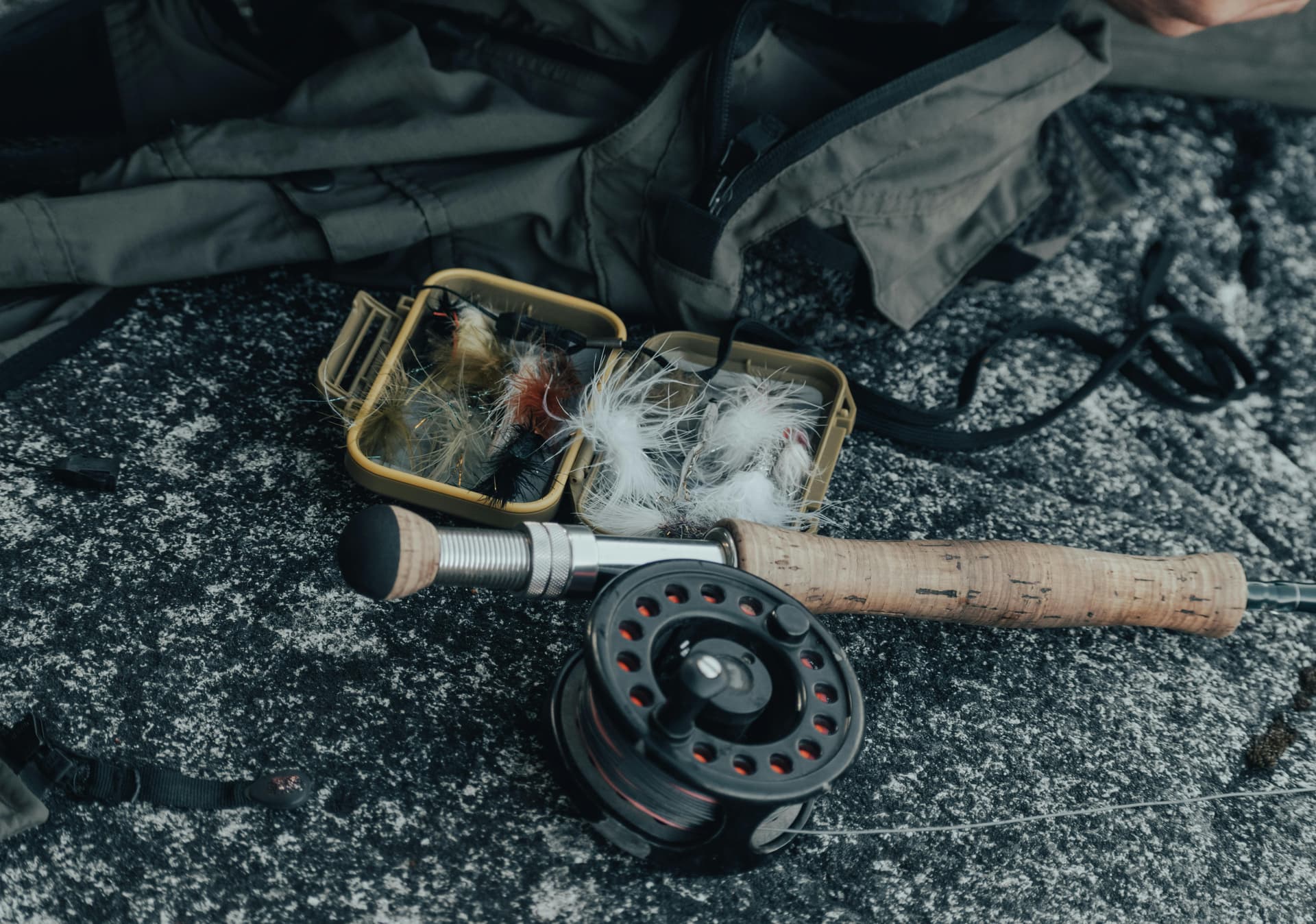
Best Fly Fishing Line for Beginners: What to Buy First
The best fly fishing line for a beginner is a weight-forward floating line in the same weight as your rod. That's the direct answer. If you have a 5-weight rod, you need 5-weight, weight-forward floating line. Most everything else is details.
This is one of the topics where fly fishing has a reputation for being overcomplicated. It doesn't need to be. Once you understand what the specs mean and why, the decision is simple.
Fly Line vs. Regular Fishing Line: What's Different
Fly fishing line is categorically different from monofilament or braid. It has real weight distributed along its length, that weight is what loads the rod and carries the cast. The fly itself weighs almost nothing. In baitcasting or spinning, the lure provides the casting weight. In fly fishing, the line does.
This is why you can't just spool a fly reel with monofilament and expect it to work. The line is the system.
The Three Specs That Actually Matter
1. Line Weight
Fly lines come in weights from 1 (ultralight) to 14 (offshore). The number must match your rod weight. A 5-weight rod needs 5-weight line.
For most freshwater beginners, trout, bass, bluegill: a 5-weight is the right starting point. It's the most versatile weight in freshwater fishing and the one most beginner rods are designed around.
2. Taper
Weight-forward taper is what beginners should buy. The line is heavier at the front 30 feet, which helps load the rod and drives the cast. It's the easiest taper to cast and the most widely available.
The alternative, double taper, is better for delicate presentations on small streams but harder to cast for beginners. Skip it until you've been fishing for a season or two.
3. Float or Sink
Floating line is what beginners should buy. It stays on the surface, which is right for dry flies and most nymph fishing (with a strike indicator). It's also the easiest to manage and see.
Sinking line pulls the fly down through the water column, useful for streamers and deep nymphing, but not a first-purchase item.
My Pick: Orvis Clearwater Fly Line
The Orvis Clearwater Fly Line is what I'd recommend for most beginners, and it's what I've used on my own setups. Here's why it works:
It's a weight-forward floating line with a front welded loop, which means you can attach your leader with a simple loop-to-loop connection rather than needing to tie a specialty knot. The braided multifilament core handles cool-to-moderate water temperatures well, which covers most freshwater fishing situations in spring and summer.
The price is reasonable, it's not the cheapest line on the market, but it's in the range where quality starts to matter and you're not overpaying for features you won't notice as a beginner.
Weight to buy: Match your rod. 5-weight for a standard freshwater setup.
What surprised me about this line: It picks up off the water cleanly, which matters more than I expected when I was learning. Sticky or heavy line drags during the pickup and kills your backcast. This line doesn't do that.
My genuine take on fly line as a beginner: don't overthink it. Weight-forward floating matched to your rod weight, from a reputable brand, and you're done. I've seen people spend more time researching fly lines than they've spent actually casting. The difference between a $40 line and an $80 line matters less than the difference between fishing and not fishing because you haven't made a decision yet. Buy the Clearwater or something comparable, get on the water, and upgrade later when you actually know what you'd want to change.
What Comes in the Box if You Bought an Outfit
If you bought a complete fly fishing outfit, rod, reel, line bundled together, you already have a matched fly line. You don't need to buy one separately. The Orvis Encounter and Clearwater outfits both come with pre-spooled lines that work well.
The only time you need to buy line separately is if your line wears out (usually after 2–4 seasons of regular use), or if you want to add a second spool with a different line type (sinking, for instance).
About Fly Line Backing
Behind the fly line on your reel is a thin, strong braid called backing. It gives you line capacity if a fish makes a long run past the length of your fly line. Most outfits come pre-spooled with backing. If you're winding from scratch, 100 yards of 20-pound Dacron is the standard.
About Leaders and Tippet
The leader connects your fly line to the fly. It's tapered, thick at the fly line end, thin at the fly end, which allows the fly to turn over and land gently.
A standard leader for trout fishing is 9 feet. Attach it to the welded loop at the end of the fly line with a loop-to-loop connection.
Tippet is what you tie onto the thin end of the leader as it gets shorter from cutting off flies and retying. Buy a spool of 5X tippet to start, it works for most freshwater situations.
One Thing to Actually Do: Clean Your Line
Fly line picks up algae, sunscreen, and grime, and gets sticky. A cloth or paper towel plus a small amount of line cleaner or even just a damp cloth dragged along the line every few trips keeps it shooting cleanly. This adds years to the life of the line and costs nothing.
I mentioned this in the gear checklist as something I actually do. It takes two minutes and makes a noticeable difference in how the line casts.
Fly Fishing Line FAQ
What weight fly line should a beginner buy? Match the line weight to your rod weight. A 5-weight rod takes 5-weight line. For most freshwater beginners targeting trout, panfish, or bass, a 5-weight setup is the right starting point.
What's the difference between weight-forward and double taper fly line? Weight-forward line has extra mass concentrated in the front 30 feet, making it easier to load the rod and cast. Double taper is symmetric and better for delicate presentations, but harder for beginners to cast. Buy weight-forward.
Does fly line float or sink? It depends on which type you buy. Floating line stays on the surface and is what most beginners should use. Sinking line pulls the fly deeper. There are also sink-tip lines that have a sinking front section with a floating running line. Start with floating.
How long does fly fishing line last? With regular cleaning and storage, a good fly line lasts 2–4 seasons of regular use. Signs it's time to replace: it cracks, gets stiff, develops a permanent coil, or stops shooting cleanly even after cleaning.
Can you use regular fishing line for fly fishing? No. Regular monofilament and braid don't have the right weight distribution to load a fly rod. Fly casting depends on the line's weight, not the lure's weight. You need actual fly line.