
Bank Fishing for Bass: How to Catch Fish Without a Boat
Reggie Thompson · July 13, 2026 · 6 min read
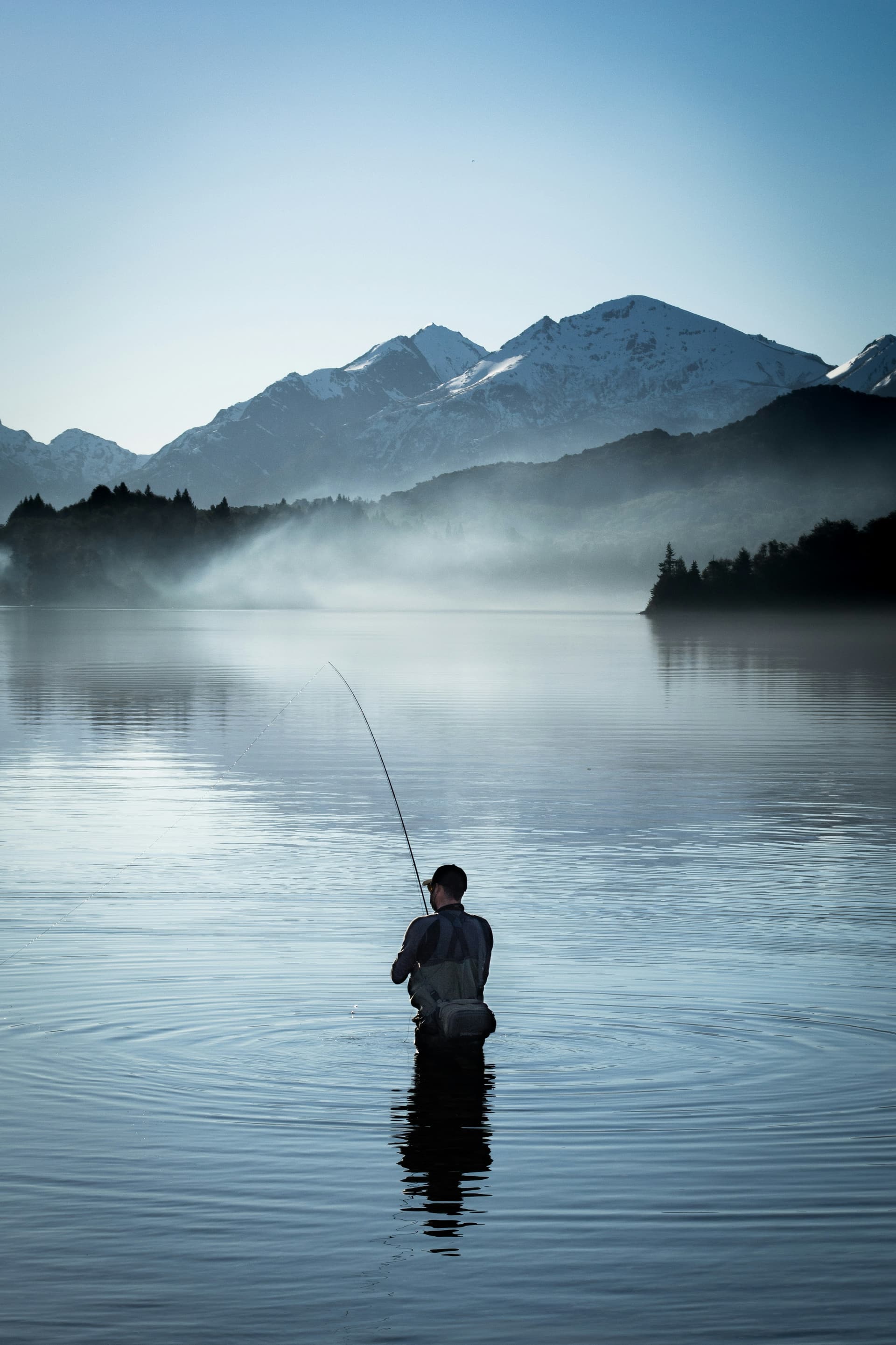
Bank Fishing for Bass: How to Catch Fish Without a Boat
You can absolutely catch bass from the bank, and most days you don't need a boat to reach the fish you're after. Bass spend a huge amount of their lives in shallow water near shore, especially early and late in the day, which is exactly where a bank angler can reach them. The trick is knowing where to stand and what to throw, not owning a bass boat.
I don't own a boat and I don't drive, so most of my own fishing is done on foot or from whatever I can get to by transit or a ride. That constraint has made me a better shore angler than I'd otherwise be, because I've had to actually think about where fish are instead of just running the trolling motor to the next spot. Here's what I've learned about catching bass without a boat.
Bass Are Shallower Than You Think
The single most freeing thing to understand is that bass relate to the shallows constantly. In the low light of morning and evening, they push right up against the bank to feed, into water a boat angler would idle straight through. Some of the best largemouth I've caught came from water I could have waded into.
That means the bank angler isn't fishing the leftovers. Early and late, you're often standing exactly where the fish are. The boat crowd is casting back toward the shoreline you're already standing on.
The catch is timing. A midday bank session in summer, with the sun overhead and the fish pulled out to deeper structure you can't reach, is genuinely harder from shore. So the honest advice is to lean into the hours when bass come shallow. Be there at first light. Come back in the last hour before dark. That single adjustment does more than any lure change.
Reading the Bank
You can't cover water the way a boat does, so you make it up by being selective about where you fish. Look for reasons a bass would be there.
Cover. Anything that breaks up open water holds fish. Laydowns and fallen trees, overhanging brush, dock pilings, weed edges, rocks, a culvert or a pipe. A bare stretch of shoreline is usually just that. Find the messy spots.
Transitions. Where one thing becomes another, bass set up. A weed line meeting open water, a mud bottom turning to rock, a shady bank next to a sunny one. Fish the seam.
Points and irregularities. Any spot where the shoreline juts out or cuts in gives bass an ambush edge and access to different depths without moving far. Little points are shore-angler gold.
Depth you can reach. Look for spots where deeper water swings in close to the bank. A steep shoreline often means you can reach a depth change without a long cast, and depth changes hold fish.
Walk the bank quietly and read it before you fire off a cast. The fish near shore in shallow water can feel your footsteps, so a heavy approach spooks them. Stay back from the edge, keep a low profile, and cast to a spot before you walk up on it.
A Simple Setup That Works From Shore
You want to travel light on foot, so resist the urge to haul a full tackle box. A medium spinning or baitcasting rod, a small bag or a couple of boxes, and a short list of lures covers almost everything.
A soft plastic worm rigged weightless or on a light Texas rig is about as reliable as bass fishing gets, and it casts and fishes fine from the bank. A shallow crankbait or a squarebill lets you cover water and find active fish along a stretch of shoreline. And a topwater in the morning, worked over shallow cover, is exactly the presentation the shore hours reward.
I grew up throwing Rapalas for shoreline bass in the UP, and that kind of shallow-running, cast-and-work-it lure is perfect for foot fishing. You're moving along the bank, covering likely spots, keeping the bait in the strike zone the whole retrieve. Simple, and it catches fish.
Move, But Fish Each Spot
The bank angler's advantage is legs. You can walk a shoreline and hit a dozen good-looking spots in an evening. Use that. If a laydown doesn't produce in a few casts, move to the next one.
But there's a balance. When you find real cover, fish it thoroughly from a couple of angles before you leave. A bass tucked under a dock might ignore two casts and crush the third one that comes in at the right angle. Cover water to find the good spots, then slow down and pick them apart.
The Honest Limitation
I won't pretend bank fishing has no downsides. There will be water you simply can't reach, offshore structure holding a school of fish that a boat could sit on all day. Midday in the heat of summer, when the fish slide out deep, is when I feel the lack of a boat most. On those days I either fish very early, fish very late, or accept a slower afternoon and enjoy being outside.
That tradeoff has never bothered me much. Some of my favorite fishing, up at 5 AM alone at the cabin, working the shoreline while everything's quiet, is exactly the kind of fishing you do best on foot. You don't need a boat to have a great morning on the water. You need to be there at the right hour, in the right spot, with something simple tied on.
Bank Fishing for Bass FAQ
Can you catch bass from the bank? Yes, and often very well. Bass spend much of their time in shallow water near shore, especially in low light early and late in the day, which is water bank anglers can reach easily. Timing your trips for morning and evening is the biggest key to success on foot.
What is the best lure for bank fishing for bass? A soft plastic worm rigged weightless or on a light Texas rig is the most reliable choice, casting and fishing well from shore. Shallow crankbaits and squarebills are great for covering water, and topwater excels in the morning over shallow cover.
Where do bass hold near the bank? Around cover and edges: laydowns, overhanging brush, dock pilings, weed lines, rocks, and points. Look for transitions where one bottom type or depth meets another, and for spots where deeper water swings close to shore.
What time of day is best for bank fishing? Early morning and the last hour before dark are best, when bass move shallow to feed and are within reach of shore. Midday in summer is hardest from the bank because fish often pull out to deeper structure you can't reach.
What gear do I need for bank fishing? Travel light. A medium spinning or baitcasting rod, a small bag or a couple of lure boxes, and a short selection of lures is plenty. Being mobile is a bank angler's advantage, so avoid hauling a heavy tackle box.