
Crappie Fishing Tips: How to Find and Catch Them All Year
Reggie Thompson · June 20, 2026 · 8 min read
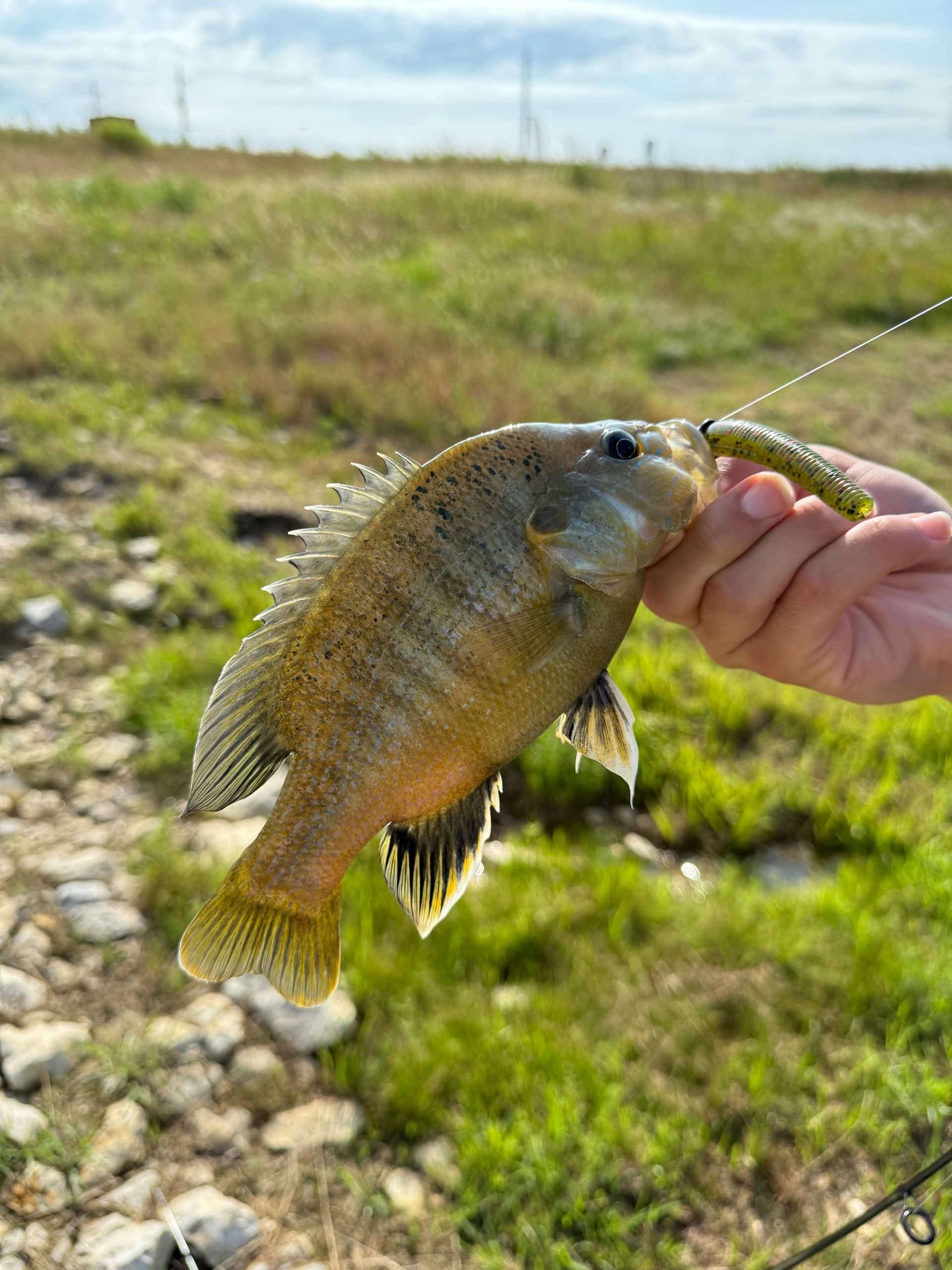
Crappie Fishing Tips: How to Find and Catch Them All Year
I've caught crappie while fishing for other things more times than I've specifically gone out for them. That's a confession, not a flex. Bass fishing the UP cabin in May, I'd find a dock edge with a dozen crappie stacked under it, catch ten before they scattered, then keep moving for bass. The crappie were more fun. Faster action, hit anything you dropped, fought well on light line.
I didn't start thinking of them as a primary target until I actually researched where they go and why. Turns out there's a real seasonal pattern to it, and once you understand the movement you can find them deliberately instead of stumbling onto them. Here's what I've put together.
Two Species to Know
Black crappie prefer clear water and are more common in northern and midwestern lakes. They're rounder-bodied with scattered black spots in an irregular pattern. They tend to school tighter and hold in heavier cover.
White crappie tolerate more turbidity and are common across a wider range. They're slightly more elongated with vertical bars on the sides. More common in river systems and reservoirs.
Both species behave similarly, respond to the same lures, and taste the same on the plate. In most lakes they coexist, and most anglers don't distinguish between them in practice.
The Seasonal Movement: Where to Find Crappie All Year
Crappie location is driven by two things: water temperature and available structure. Once you understand the pattern, finding them on unfamiliar water gets faster.
Spring (Pre-Spawn and Spawn): Best Fishing of the Year
Water temperatures between 58–68°F trigger the crappie spawn. Fish move from deep winter holding areas to shallow water, docks, brush, timber, and flooded vegetation in 1–6 feet of water, to build nests and spawn.
Pre-spawn fishing, when water is in the 55–62°F range, is often the most aggressive feeding of the year. Fish are stacking up and feeding heavily before moving onto beds.
Where to look: Shallow docks with shade, submerged timber near spawning flats, the inside edges of weed beds, back ends of coves in lakes with clear water. In rivers, slack water near current with nearby submerged cover.
How to fish it: Slow presentations right in the cover. Vertical jigging under a dock, pitching a jig into timber, suspending bait at the right depth under a float. Fish don't need to chase, they're territorial and aggressive.
Summer: Deeper and More Scattered
After the spawn, crappie disperse and move deeper as surface temperatures climb. Finding them requires identifying where they've moved.
In lakes, they school over submerged structure at 12–25 feet, brush piles placed by fishermen or natural timber, ledges, and creek channels. A fish finder makes this dramatically easier; without one, it's educated guessing based on lake maps.
The night fishing advantage: Crappie feed actively at night in summer, particularly near dock lights and submersible fishing lights. Light attracts plankton, plankton attracts baitfish, baitfish attract crappie. This is a legitimate summer technique for anglers who can get on the water after dark.
Where to look: Deep brush piles, submerged structure visible on maps or found by trolling, shaded docks in the afternoon, lights after dark.
How to fish it: Vertical jigging directly over deep structure, slow trolling with jigs at the right depth, live minnows suspended at depth.
Fall: Secondary Feeding Push
As temperatures cool in September and October, crappie feed aggressively again. They move shallower than they were in summer, though not as shallow as in spring.
This is an underutilized season for crappie. Fewer anglers are targeting them, fish are actively feeding, and they haven't moved so shallow yet that they're in extremely tight cover.
Where to look: Mid-depth structure in 8–15 feet, points with nearby deep water, creek channel edges in reservoirs.
How to fish it: Casting jigs along mid-depth structure, slow trolling with crappie rigs, minnows under a float at the fish's holding depth.
Winter: Deep and Slow
Winter crappie are in their deepest, coldest holding areas, often 20–30 feet near main lake structure. They're lethargic and won't chase. The bait needs to be presented slowly and precisely at their depth.
Ice fishing is a productive winter technique in northern states. Mark fish on the flasher, drop a small jig tipped with a minnow to their level, and move as little as possible. Cold-water crappie barely move to eat.
In open-water winter, vertical jigging over deep structure with the slowest possible presentation catches fish. It's methodical, patient work.
How to Find Crappie on Unfamiliar Water
Ask locally. Bait shops near the lake are the most reliable source of current information. They hear from customers daily and usually know what's working and roughly where. Buy something small and ask.
Look for artificial brush piles. Many lakes have fish habitat structures, brush piles, stake beds, fish attractors, placed by fisheries departments or bass clubs. These are often on public maps. Crappie stack on them predictably.
Follow the baitfish. Where you see shad or small baitfish schooling on the surface, crappie are often underneath. In summer this often happens in open water over deep structure.
Work the docks systematically. In any lake with dock access, work from dock to dock. Note which ones produce bites and identify what they have in common, shade, depth, proximity to deeper water, submerged brush underneath.
Reading a Crappie Bite
Crappie bites are often subtle. Unlike a bass that hammers a lure, crappie often just "pick" the bait: a slight heaviness, a line twitch, a float that doesn't go all the way under. Watch for any deviation from normal lure behavior and set the hook.
The thing that took me longest to get: crappie don't telegraph the bite the way bass do. I missed plenty before I started watching the line instead of waiting for the rod to load. A slight bow in the line on the fall, a tiny bit of slack appearing where there wasn't any, the float sitting a degree differently than it was a second ago. Those are bites. If you're waiting for the rod to load up, you're going to miss a lot of fish.
Using a float: Watch for the float to dip, slide sideways, or pop upright (a fish taking bait and swimming up toward the surface). Any abnormal movement warrants a hookset.
Vertical jigging: Feel for a slight tick or resistance as the jig falls. Most crappie bites happen on the drop. Keep light tension on the line during the fall so you can feel them.
A light rod helps here. A 6–7 foot ultralight or light action spinning rod transmits subtle bites that a heavier rod would mask. Crappie's "paper mouths" tear easily, so don't overpower the hookset: a smooth lift is better than a hard strike. I'd rather miss a hookset than tear the hook through a paper mouth and lose the fish.
The Eating Argument
I'll be straightforward about this: crappie might be the best eating fish in freshwater. The fillets are white, mild, flaky, and free of the strong flavor some freshwater species carry. A mess of crappie fillets fried in butter is as good as most freshwater fish gets.
The limit is generous in most states, often 25 fish or more, because populations are healthy and fishing pressure doesn't deplete them the way it does for larger, slower-reproducing species. Check your state regulations, but you can keep a meaningful haul without conservation concern.
Crappie Fishing FAQ
What is the best time of year to catch crappie? Spring is the best time, water temperatures between 58–68°F trigger the spawn, and pre-spawn fish feed aggressively in shallow water near structure. Fall is a strong secondary season. Summer and winter require finding fish deeper and fishing more slowly.
What depth do crappie live at? Crappie depth varies by season. In spring, they're in 1–6 feet near spawning structure. In summer, they move to 12–25 feet over deep structure. In fall, they're at mid-depths (8–15 feet). In winter, they're deepest, often 20–30 feet.
What do crappie eat? Primarily small baitfish (minnows, shad, shiners), insects, larvae, and small crustaceans. They're visual feeders that respond well to lures mimicking small baitfish, and they also feed heavily on insect hatches when conditions are right.
Are crappie good to eat? Yes, crappie are widely considered one of the best eating freshwater fish. White, mild, flaky fillets with no strong flavor. They fry well and hold up to simple preparations. The limit is generous in most states.
How do you find crappie in a new lake? Ask at a local bait shop. Look for docks with shade over deeper water, submerged timber and brush piles (often on public lake maps), and areas where baitfish are visible on the surface. In spring, focus on shallow water near spawning structure. In summer, deeper structure is the target.
What's the difference between black and white crappie? Black crappie prefer clearer water and have irregular spotted patterns. White crappie tolerate murkier conditions and have vertical bars on the sides. Both respond to the same lures and taste identical.