
Trout Fishing in the Sierra Nevada: A Practical Beginner's Guide
Reggie Thompson · June 6, 2026 · 7 min read
Trout Fishing in the Sierra Nevada: A Practical Beginner's Guide
Trout fishing in the Sierra Nevada is different from fishing a stocked pond in the flatlands. The fish are wild or lightly stocked, often spooky in clear alpine water, and getting to the best spots requires some effort, sometimes a full day of hiking. It's also some of the most beautiful fishing I've done anywhere.
I fish the Sierra regularly. Car-free, which means I'm taking transit or ridesharing to trailheads, then hiking in. That constraint forces a certain kind of efficiency: light gear, presentations that work, knowing where to be and when. Here's what I've learned.
The Fish: What's in the Sierra Nevada
Rainbow trout are the most common species in Sierra waters. Fast, strong fighters that rise readily to dry flies. The native California strain (inland rainbows) in high-elevation streams are gorgeous fish with vivid coloring.
Brown trout inhabit lower-elevation rivers and some lakes. Typically larger than rainbows and more selective: a 14-inch brown in a pressured stream is a genuine accomplishment.
Brook trout are technically not native to California but were introduced to many high Sierra lakes and streams. They're beautiful, aggressive, and often smaller than rainbows at the same elevation.
Golden trout are California's state fish: a high-elevation species native to the Kern River watershed. Fishing for them requires significant hiking (usually 10,000+ feet elevation) and is a bucket-list experience for California anglers.
Where to Fish: Choosing the Right Water
High Elevation Lakes (Above 9,000 Feet)
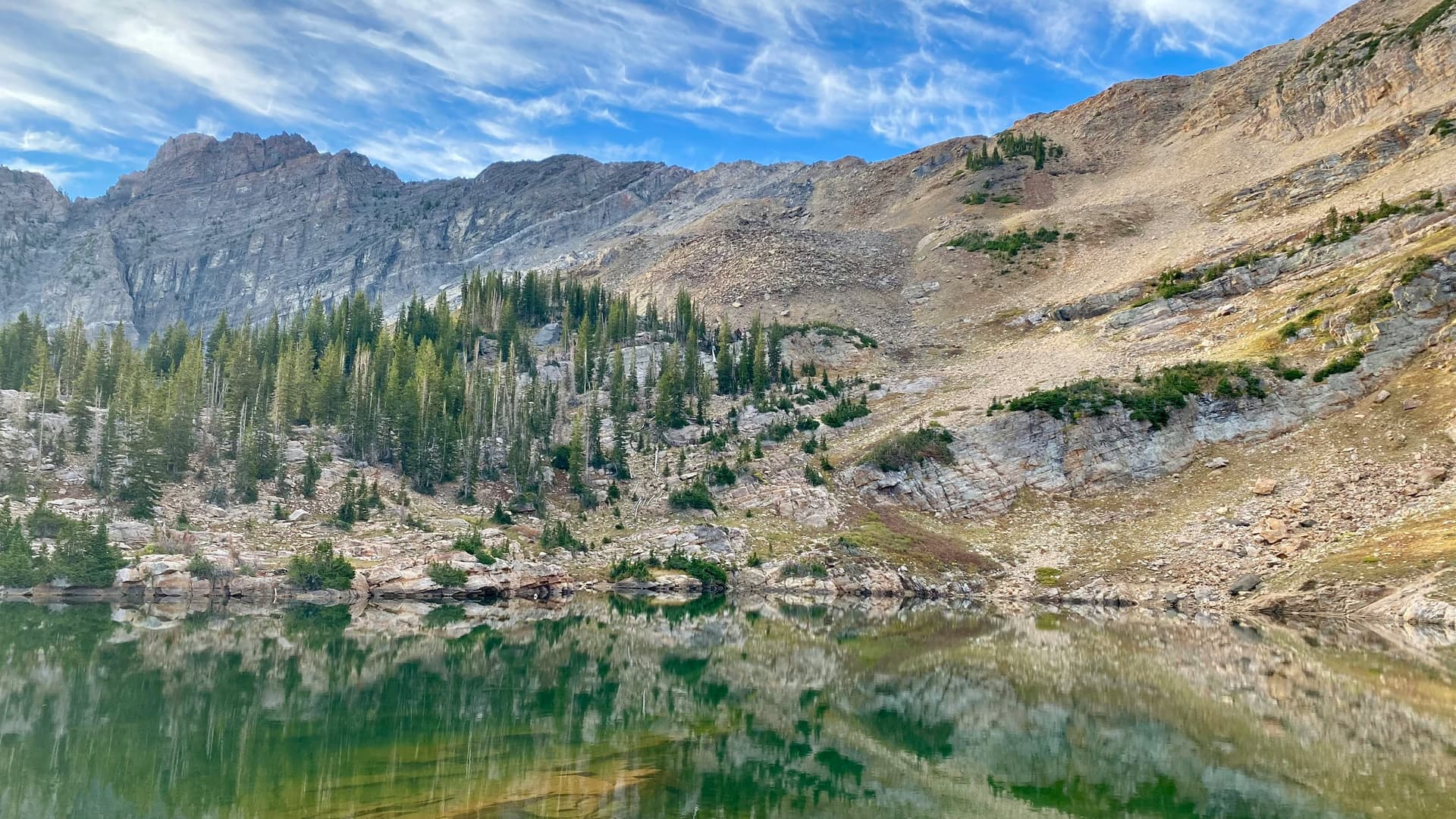
Alpine lakes above tree line offer the most dramatic scenery and often the most wild fish. They're typically accessed by overnight backpacking trips, 8 to 15 miles from the nearest trailhead.
The fish in true alpine lakes are often naive to fishing pressure, which sounds great until you realize the growing season is short, the water is cold, and trout in 55-degree water don't move fast to strike. The fishing can be excellent or slow depending on whether insects are hatching.
The best time: late July through September, after snowmelt stabilizes and water temps rise enough to trigger active feeding.
My approach: I target these on backpacking trips where I've planned the itinerary around good fishing water. Knowing which lakes hold fish vs. which are fishless is worth researching before you go. DFW plants certain lakes by air; others have wild populations. California DFW's fish planting records are publicly available.
Mid-Elevation Streams and Rivers (5,000–9,000 Feet)
The most accessible and often most productive Sierra trout fishing. These streams have more consistent hatches, more structure, and easier access from main roads and campgrounds.
The Truckee River, the Merced River in Yosemite, the San Joaquin drainage, the Kern, all accessible mid-elevation water with good trout fishing. Some of it is regulated (barbless hooks, catch-and-release), so check regulations before you go.
Reading the stream matters here. Riffles below bridges, pools at bend, undercut banks: the same structure principles apply everywhere. In clear water you can often spot fish before you cast.
Golden Gate Park Casting Ponds (Zero Elevation, Zero Hiking)
Not the Sierra, but worth mentioning for Bay Area anglers: the casting ponds in Golden Gate Park are where I practice fly casting when I'm not able to get to actual fishing water. They're free, quiet in the mornings, and genuinely useful for working on form before a trip.
Gear for Sierra Fishing
Fly Fishing
An Orvis Clearwater or Encounter outfit in 4-weight or 5-weight is what I use. The 4-weight is better for smaller streams and delicate presentations to spooky fish; the 5-weight is more versatile across larger water.
Key flies for the Sierra:
- Elk Hair Caddis (sizes 14–16): Caddis hatches are common above 6,000 feet in summer. One of the most reliable dry flies in California.
- Adams (sizes 14–16): Matches a wide range of hatches. The universal starting point.
- Pheasant Tail Nymph (size 14–16): Fished below the surface. Trout eat nymphs constantly.
- Stimulator (size 10–14): Works as a stonefly or general attractor pattern in faster water. A Sierra staple.
- Woolly Bugger (black, olive): When nothing else works in the evening near deep water.
Spinning Gear
A 6' ultralight spinning rod with 4 lb fluorocarbon covers most Sierra situations. Inline spinners (Panther Martin, Mepps) in sizes 1–2 are reliable. Small Kastmaster spoons work for casting to fish holding in deeper water in lakes.
What to Pack
Given the hiking involved in most good Sierra fishing:
- A compact rod (4-piece travels well)
- Small fly box with 12–15 patterns
- 5X and 4X tippet
- Polarized glasses (essential for spotting fish in clear water)
- Sunscreen. UV intensity above 9,000 feet is significant
- A California fishing license (required age 16+, purchased online)
One limitation I should flag: the golden trout section earlier is based on research and conversations with other California anglers, not personal experience. I've hiked at those elevations but haven't specifically planned a trip around golden trout. Everything below 10,000 feet in this guide I've fished personally. The golden trout water I'm describing secondhand, and that's worth knowing.
The UV Problem
I mentioned this in my UV shirt post, but it deserves emphasis here: the Sierra Nevada sits at high altitude and the UV index at 10,000 feet is substantially higher than at sea level. I got badly burned on a backpacking trip before I started taking this seriously. A long-sleeve UPF 50+ shirt is practical protection when you're spending 8 hours in direct sun above tree line.
Regulations: Check Before You Go
California trout fishing regulations vary by water body, season, and species. Some Sierra waters are catch-and-release only. Some require barbless hooks. Some have seasonal closures to protect spawning fish.
The California Department of Fish and Wildlife publishes current regulations online and updates them annually. Check the specific regulations for the water you're fishing before your trip. Ignorance isn't a defense and fines are real.
A California freshwater fishing license is required for anyone 16 and older. Buy it online before you leave; don't assume you can get one at a remote trailhead.
When to Go
Late June through July: Good if elevation permits access. Snowmelt is still happening at high elevation in early June; some high-altitude lakes don't open until July.
August: The best month overall. Water is warmest, hatches are most active, access is clearest.
September through mid-October: Excellent fishing with thinner crowds. Water temperatures stay reasonable, fall conditions often trigger aggressive feeding.
October 15 – mid-November: Many Sierra waters close. Check regulations.
Sierra Nevada Trout Fishing FAQ
Do you need a license to fish in the Sierra Nevada? Yes. A California freshwater fishing license is required for anyone 16 and older. Purchase it online at wildlife.ca.gov before your trip.
What trout species are in the Sierra Nevada? Rainbow trout are most common. Brown trout inhabit lower-elevation streams. Brook trout are widely present in mid- to high-elevation water. Golden trout, California's state fish, live at extreme elevations (10,000+ feet) in the Kern River watershed.
What is the best bait for Sierra Nevada trout? For wild fish in clear alpine water, dry flies and small inline spinners are most effective. Power Bait and salmon eggs work on planted fish in more accessible areas. Natural presentations outperform scented baits on pressured wild fish.
Can you fish Sierra Nevada alpine lakes without a boat? Yes. Most alpine lakes are accessible from shore, and many are reachable only by hiking, no boat could get there anyway. The key is approaching slowly in clear water and casting to visible fish or feeding lanes.
When does trout season open in the Sierra Nevada? Most Sierra Nevada trout waters open in late April or early May, but high-elevation lakes may remain inaccessible due to snow until late June or July. Some waters are open year-round. Always check current DFW regulations for specific water bodies.