
Penn vs. Shimano vs. Daiwa: Best Reel Brand for You?
Reggie Thompson · September 17, 2026 · 5 min read
Penn vs. Shimano vs. Daiwa: Best Reel Brand for You?
There's no single best reel brand among Penn, Shimano, and Daiwa, and anyone who tells you otherwise is selling something. Each brand has a different strength: Penn owns toughness and saltwater value, Shimano owns smoothness and refinement, and Daiwa owns lightweight innovation and value across the range. The right brand for you depends on the kind of fishing you do and what you care about most in a reel.
I grew up fishing a Shimano, my dad's old baitcaster, so I have a soft spot there, but I've tried to keep that out of this and judge each brand on what it actually does well. Brand loyalty is one of the least useful ways to buy a reel. Matching the brand's strength to your fishing is a much better one.
The Short Version
- Penn if you fish saltwater or want maximum toughness and stopping power per dollar.
- Shimano if you want the smoothest, most refined reels and are willing to pay for that feel.
- Daiwa if you want lightweight, innovative designs and strong value at almost every price point.
All three make good reels at every tier. You're not going to get a bad reel from any of them. You're choosing which brand's priorities line up with yours.
Penn: Toughness and Saltwater Value
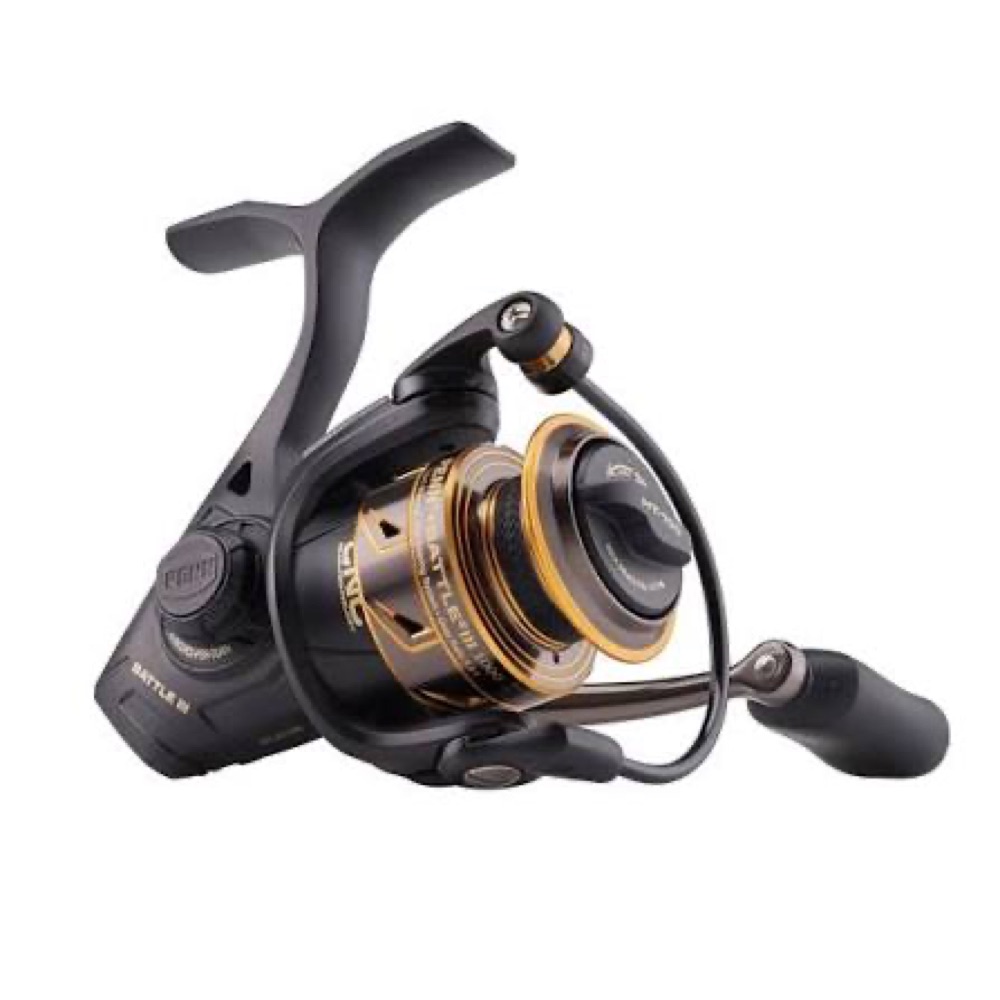
Penn built its name on saltwater reels, and that heritage shows across the lineup. Penn reels tend to be metal-bodied, heavily sealed, and built to take a beating from hard-pulling fish and rough conditions. The Battle series is the poster child: a tough, sealed, metal reel that delivers more durability per dollar than almost anything, and handles inshore saltwater that would ruin a freshwater-focused reel.
The tradeoff is weight and finesse. Penn reels are generally heavier and less refined-feeling than a comparable Shimano or Daiwa, because they're prioritizing strength. If you fish saltwater, chase big freshwater fish, or you just want a reel that feels indestructible and costs less than the competition, Penn is the brand. For light finesse work, it's not where I'd start.
Shimano: Smoothness and Refinement
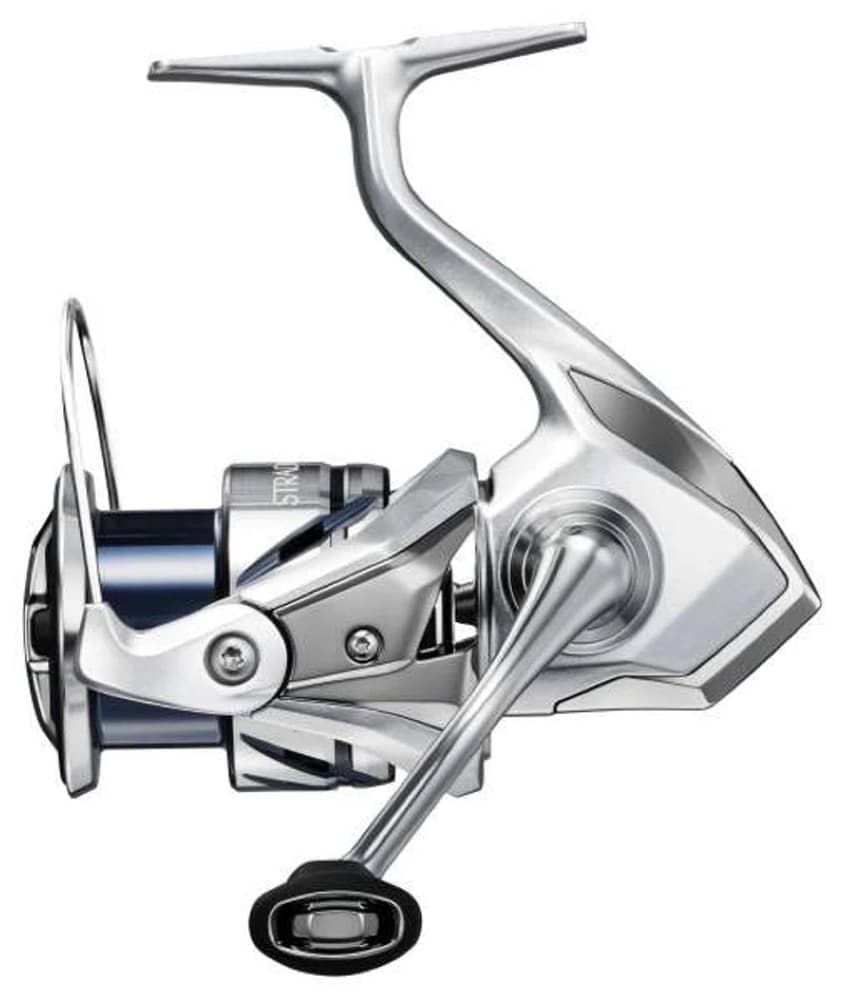
Shimano is the brand people reach for when they want the smoothest reel they can afford. Shimano's gearing and construction, across the lineup and especially in reels like the Stradic and up, produce a smoothness on the retrieve and through the drag that the brand is genuinely known for. If you fish light line for finicky fish, that refinement translates into fewer lost fish and a nicer experience every cast.
Shimano makes budget reels too, the Sedona and Nasci deliver a lot for the money, so it's not only a premium brand. But the brand's signature is that smooth, precise feel, and it shows up most as you move up the range. If smoothness and build quality are what you value, Shimano is hard to beat, and their premium reels are worth the money if that's your priority. The Shimano Stradic against the Daiwa Certate is a good look at how the two brands compare at the higher end.
Daiwa: Lightweight Innovation and Value
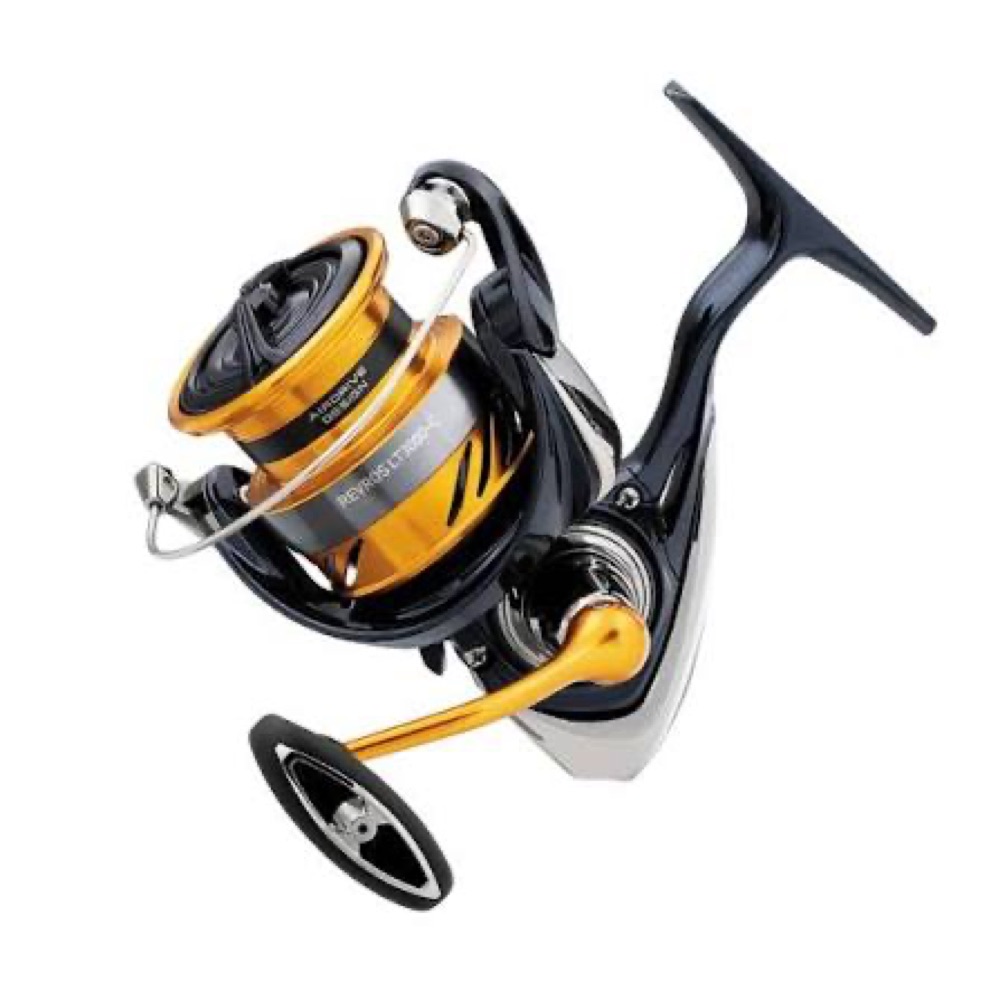
Daiwa is the brand pushing hardest on lightweight design and clever engineering. Its LT (Light and Tough) concept reworked what a reel could weigh without giving up strength or capacity, and Daiwa's technologies, Air Rotor, sealed drags, tough composite bodies, tend to trickle down to affordable models faster than the competition. The result is that Daiwa often gives you the most reel per dollar, especially if you value low weight.
From the budget Revros LT up through the premium Certate, Daiwa tends to hit a sweet spot of light weight, smooth performance, and strong value. If you want a light, modern reel and you care about getting a lot for your money, Daiwa is very often the answer, and it's the brand I'd point value-focused anglers toward first.
So, Which Brand?
Stop thinking about brand loyalty and think about your fishing. Fish saltwater or want a tank for cheap? Penn. Want the smoothest reel and willing to pay for it? Shimano. Want the best mix of light weight, performance, and value? Daiwa. Most anglers, once they frame it that way, know their answer immediately.
And here's the honest truth underneath all of it: at any given price point, the three brands are closer than the internet arguments suggest. A good Penn, a good Shimano, and a good Daiwa at the same price will all catch fish and all last if you take care of them. Pick the one whose strengths match your fishing, set the drag right, and go. For specific models at different budgets, see my best spinning reel under $100 and best spinning reels under $200 guides.
Penn vs. Shimano vs. Daiwa FAQ
What is the best fishing reel brand? There's no single best brand. Penn is best for saltwater and toughness per dollar, Shimano is best for smoothness and refinement, and Daiwa is best for lightweight design and all-around value. The right brand depends on your fishing and priorities.
Is Shimano or Daiwa better? Both are excellent. Shimano is known for the smoothest, most refined feel, especially in its mid-range and premium reels. Daiwa is known for lightweight designs and strong value, often giving you more reel per dollar. Choose Shimano for smoothness, Daiwa for light weight and value.
Which reel brand is best for saltwater? Penn is the standout for saltwater among these three, with metal-bodied, sealed reels built to handle salt, sand, and hard-pulling fish. Shimano and Daiwa make saltwater reels too, but Penn's heritage and value in saltwater are hard to beat.
Which brand is best for beginners? All three make good beginner reels. Daiwa's Revros LT and Shimano's Sedona are excellent affordable choices, and Penn's Battle series is a great tough option if you fish saltwater. Any of them makes a reliable first reel; match it to where you fish.
Is one brand more durable than the others? Penn has the strongest reputation for rugged durability, especially in saltwater, thanks to its metal bodies and sealing. Shimano and Daiwa both make durable reels, but they often prioritize smoothness or light weight, which can mean more use of composite materials at a given price.