
How to Catch Trout from Shore: A Practical Guide Without a Boat
Reggie Thompson · June 4, 2026 · 7 min read
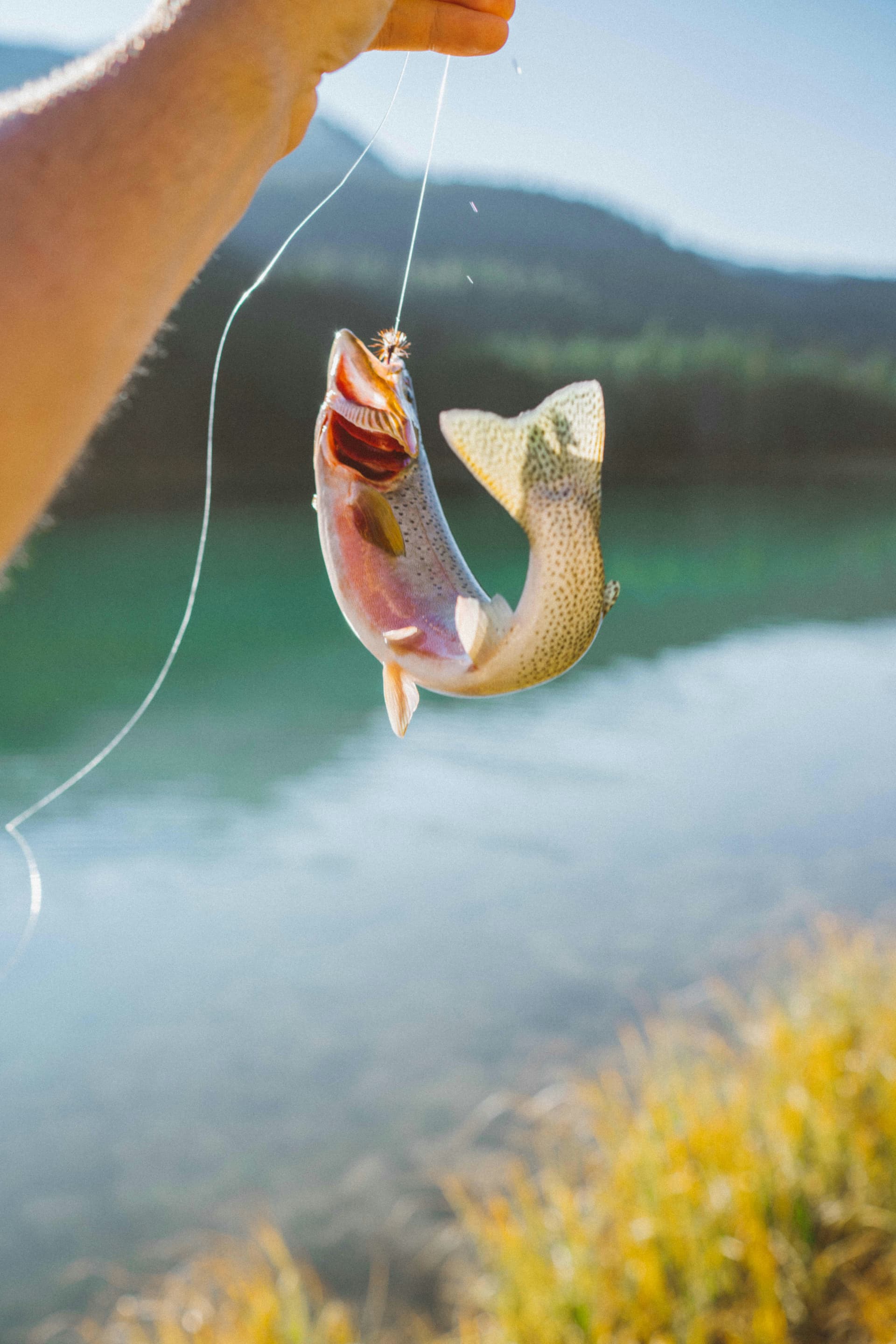
How to Catch Trout from Shore: A Practical Guide Without a Boat
You don't need a boat to catch trout. Most productive trout water is accessible from shore, and in many stream and river situations a wading angler covers water more effectively than someone in a boat anyway. The key is knowing where to stand, what to cast, and how to present it.
I fish for trout in the Sierra Nevada, alpine lakes and streams in California, without a boat, because I don't own one and can't drive to most of the places I fish anyway. I've figured out what works from the bank and in the shallows. Here's what I've learned.
Why Shore Fishing for Trout Works
Trout orient to current and food. In streams and rivers, that means they hold in predictable spots, below riffles, at the edge of currents, in the shadow of boulders, that are often 20–50 feet from the bank. In lakes, the shallows near structure hold fish in the morning and evening. Both situations are reachable from shore.
The advantage of shore fishing: you're approaching fish from above water and can use the bank for cover. A trout in a clear alpine lake can see you clearly from 30 feet. Getting low, moving slowly, and keeping your profile off the skyline are fishing skills that matter from shore in a way they simply don't from a boat.
Reading Shore-Accessible Trout Water
In Streams and Rivers
Riffles: Shallow, fast, broken water where oxygen levels are high and insects hatch. Trout don't hold in riffles but they face into them and station just below, where slower water gives them a rest while food washes in.
Pools below riffles: The classic trout lie. A pool sits just downstream of a riffle, slowing the current and collecting food. Fish hold at the head of the pool (facing the riffle), along the edges, and near the tailout.
Current seams: Where fast water meets slow: the edge of an eddy, beside a boulder, along a cut bank. Trout position here to pick off food with minimal effort. Stand upstream and across, cast to land your fly at the top of the seam, let it drift through.
Undercut banks: The outside of a bend where current has eroded the bank. Bigger fish hide here, protected overhead. Tricky to reach from shore but worth the effort.
I'll be honest about undercut banks specifically: I can find them, but presenting to them cleanly is something I haven't fully figured out. The problem is approach. By the time I'm in a position to cast to the inside of an undercut bank, I've usually put my shadow over the water or vibrated the bank enough that whatever was there has moved. It's a positioning problem as much as a casting problem. If you crack it, let me know.
Boulder pockets: A rock in the current creates a downstream pocket of slow water. Trout hold directly behind boulders and just off to the side. Short, accurate casts are the game here.
In Lakes
The shallows at dawn and dusk: Trout push into water 2–6 feet deep to feed on insects and small baitfish in low light. This is the primary shore-fishing window in alpine and lowland lakes alike.
Inlet and outlet structures: Where a stream enters or exits a lake is where oxygenated water and baitfish concentrate. These are almost always productive and almost always shore-accessible.
Points that extend into the lake: A rocky point drops into deeper water on both sides, creating an edge that concentrates fish.
Drop-offs near shore: In clear lakes you can sometimes see where the bottom drops away from shallow to deep. This transition line is where trout cruise in low light.
What to Use from Shore
Spinning Gear
For most shore-based trout fishing, a 6' to 7' light or ultralight spinning rod with 4–6 lb fluorocarbon is the right setup. Spinning gear casts light lures well and handles most presentations.
Inline spinners (Panther Martin, Mepps, Blue Fox) are the easiest effective trout lure for beginners. Cast across and upstream, retrieve with the current at medium speed. The blade flashes and vibrates. Trout in streams hit them hard.
Small spoons, Kastmaster, Little Cleo, cast far and sink at a rate you can control with retrieve speed. Good for lake fishing from shore when you need to reach fish holding at depth.
Power Bait or salmon eggs under a float: the simplest setup. Suspend bait at the right depth with a slip float and wait. Works on stocked fish and pressured ponds. Less effective on wild trout.
Fly Fishing
Fly fishing from shore is how I primarily fish for trout in the Sierra Nevada. A roll cast or short overhead cast reaches most productive water in streams. In lakes, watch for rising fish in the evening and cast to individual risers.
See the fly fishing posts for gear specifics, the setup is identical whether you're wading out or casting from the bank.
Positioning: How to Approach Trout Water
This is where most bank anglers make their biggest mistake. They walk up to the bank, stand upright, and cast. Trout in the shallows see them immediately and don't bite.
Stay low. Crouch or kneel if you're fishing shallow, clear water. Your silhouette against the sky is a predator alarm.
Move slowly. Vibrations travel through water efficiently. Heavy footsteps on the bank spook fish in the shallows. Especially on hard, rocky banks adjacent to shallow water.
Stay back from the edge. You don't need to be at the water's edge to fish it. Cast from 10–15 feet back. The fish can't see you. They can see a figure standing on the bank 5 feet away.
Work from downstream up in moving water. Trout face upstream. Approaching from below means you're behind them and they don't see you coming.
Wading In (Even Without Waders)
In summer, wet wading, walking into the water in shorts or old pants, opens up more options without requiring wader purchase. It lets you reach water that's too far for a bank cast and position yourself at better angles.
In the Sierra Nevada in July, the water is cold but manageable. Neoprene socks help. An old pair of trail shoes works fine in most conditions. You don't need anything special to wet wade in warm months.
Just watch your footing. Rocks covered in algae are genuinely slippery. Move slowly, test each step, and use a wading staff or a heavy stick if the current is strong.
Shore Fishing for Trout FAQ
Can you catch trout from the bank? Yes. Most productive trout water is accessible from shore, and in many river and stream situations a bank angler is more effective than someone in a boat because they can approach fish more quietly. The key is understanding where trout hold and presenting to them without spooking them.
What is the best bait for trout fishing from shore? Depends on the trout type and water. For wild trout in streams, inline spinners and fly fishing presentations are most effective. For stocked trout in ponds and lakes, Power Bait, salmon eggs, or worms under a float are reliable. Natural presentations outperform artificial scent baits on pressured wild fish.
What size hook should I use for trout from shore? For small to medium trout, size 10–14 single hooks for bait fishing. Inline spinners typically come with size 10–12 treble hooks. For fly fishing, hook size depends on the fly pattern, size 14–18 for dry flies in most situations.
Do you need waders to trout fish? No. Many productive streams and lake shores are fishable from the bank without wading. Wet wading in summer (shorts and old shoes) is a comfortable alternative to waders in warm weather. Waders expand your reach but aren't required to start catching trout.
What time of day is best for shore fishing for trout? Early morning and late evening are most productive, especially in lakes where trout push into the shallows in low light. In streams, the feeding is more consistent throughout the day because current continuously delivers food.