
How to Choose Your First Rod and Reel Combo (Without Overthinking It)
Reggie Thompson · June 11, 2026 · 6 min read
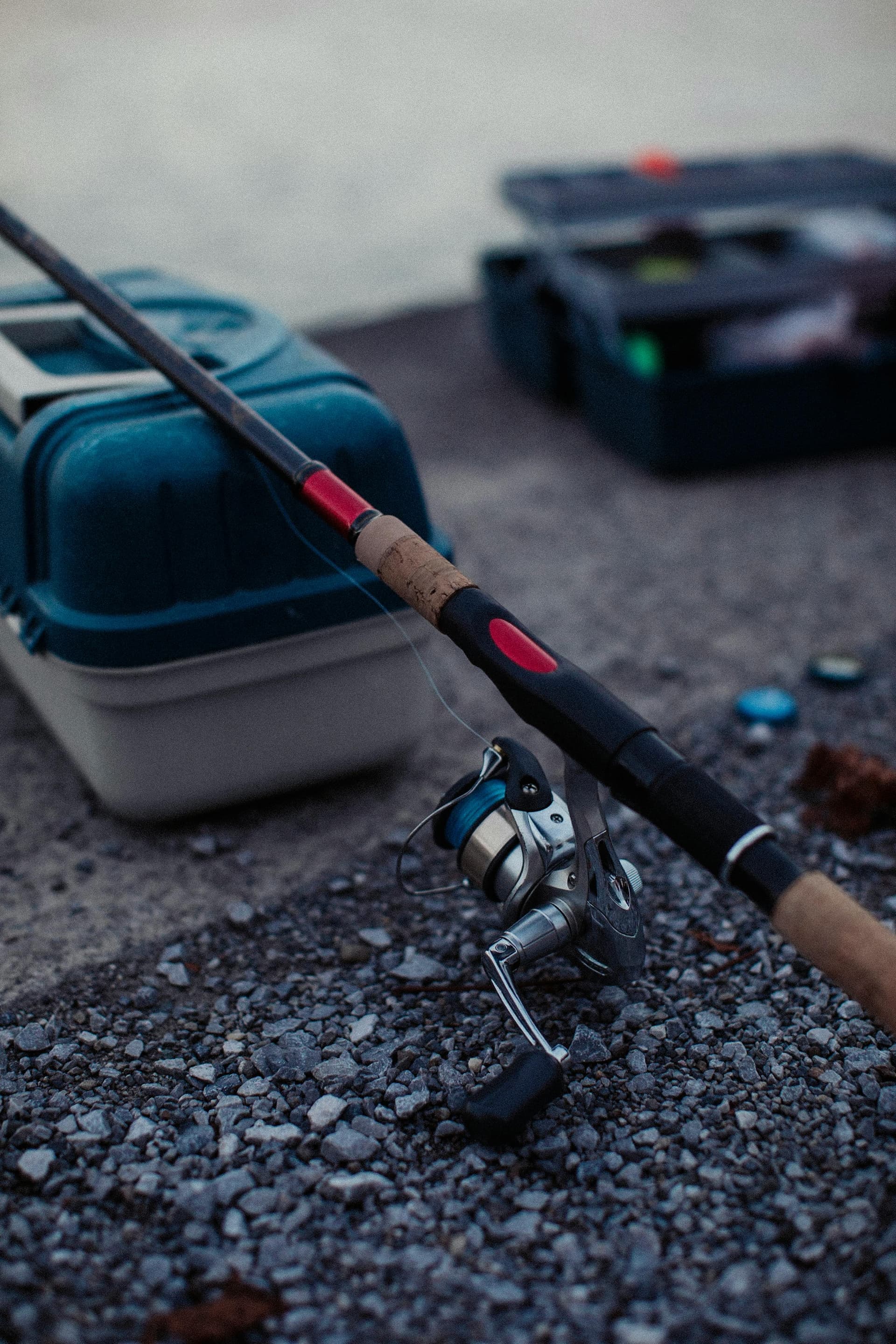
How to Choose Your First Rod and Reel Combo (Without Overthinking It)
The most important thing about your first rod and reel combo is that you actually go fishing with it. My dad's rod has no label left on it. I don't know the exact specs. It's probably 20 years old, medium-heavy baitcaster, and I've caught more fish on it than I can count on any rod I've owned since. He didn't spend weeks researching the options. He bought something reasonable and went fishing. That's still the right approach.
The gear industry has an interest in making this feel more complicated than it is. Here's the version that gets a beginner fishing without confusion.
The First Decision: What Are You Fishing For?
Your target species and fishing location determine everything else. There are roughly three starter paths:
Bass, walleye, and general freshwater species in lakes and ponds: Medium spinning or baitcasting setup Trout in streams and rivers: Light or ultralight spinning, or fly fishing Panfish (bluegill, crappie, perch): Ultralight spinning
Everything below assumes a freshwater bass or general panfish setup, the most common starting point for Midwest and general recreational anglers.
The Core Specs That Actually Matter
Rod Power
Power is the rod's overall strength. Think of it as how much force it takes to bend the blank.
Ultralight: Tiny lures, light line, panfish, small trout Light: Small bass, trout, crappie Medium light: Versatile freshwater, lighter bass techniques Medium: General bass fishing: the most versatile choice Medium heavy: Heavier bass techniques, jigs, Texas rigs Heavy: Big fish, heavy cover, saltwater
For a first bass setup, medium or medium-light covers most situations.
Rod Action
Action is where the rod bends. Fast action bends near the tip and provides more sensitivity and a quicker hookset. Moderate action bends in the middle and is more forgiving for fish-fighting and treble-hook presentations.
Fast action is right for most beginner bass setups. More sensitive, better hooksets.
Rod Length
6'6" to 7' is the standard range for freshwater bass. A 7-footer casts farther. A 6'6" is slightly more maneuverable in tight spaces. Split the difference at 6'8" to 7' and you're fine.
Reel Size
For a medium spinning setup: 2500–3000 size reel. Handles 8–12 lb line, balances on a 6'6"–7' medium rod, versatile for most freshwater situations.
The Best First Spinning Combo
For most beginners, the right answer is a matched spinning combo, rod and reel sold together, pre-balanced, ready to fish.
The Shimano Symetre Spinning Rod and Reel Combo is one of the most consistently recommended combos in the mid-range. The Symetre reel is smooth, durable, and matched to Shimano's rod for balanced feel. It works for bass, walleye, and most general freshwater applications.
The Daiwa D-Shock II is another solid option at a lower price point for someone who wants to try fishing without a large initial investment. The graphite rod is fast action, and the combo comes ready to fish.
For browsing the full range of matched options: FishUSA Spinning Combos
My honest take on the reel vs. rod tradeoff: the reel matters more than the rod at entry level. A stiff or slightly heavy rod is annoying. A poor drag, a bail that doesn't close cleanly, or a retrieve that feels gritty is actively frustrating and will make you think you're doing something wrong when you're not. If you're going to spend a little extra anywhere in the combo, put it toward a reel from a name you've heard of. A Shimano or Daiwa reel on a generic rod will fish better than the reverse.
What My Dad's Old Shimano Taught Me
My dad's baitcasting rod has no label left on it. I have no idea what specs it was designed around. I've fished it for years in the UP because it casts well, feels balanced in hand, and has caught more fish than any rod I've ever thought analytically about.
The lesson isn't that specs don't matter. It's that feel and balance in practice matter more than any number on a label. If you can pick up a rod in a store, do it. A rod that feels right in your hands will serve you better than one with impressive specs that feels awkward.
Should You Buy a Combo or Separate Components?
Buy a combo if: You're a beginner, you're not sure what rod or reel characteristics you want yet, or you want to simplify the decision.
Buy components separately if: You already have one piece (an old rod, a reel you like) and want to match it, or you've fished enough to know specifically what you want in each piece.
Most beginners should buy a combo. The manufacturers have already done the matching work. You pull it out of the box and fish.
What Line to Put On It
Most combos don't come spooled with line, or come with a small amount of test line that isn't ideal for fishing. Spool your reel with 10–12 lb monofilament or 10 lb fluorocarbon for a bass setup.
Mono is more forgiving and easier to manage for beginners. Fluorocarbon is nearly invisible in clear water and has less stretch (more sensitivity). Either works. Mono is easier to start with.
Berkley Trilene XL (mono) and Seaguar InvizX (fluorocarbon) are standard recommendations in this price range.
The Baitcasting Question
If you're curious about baitcasting, the post on spinning vs. baitcasting covers when each system makes sense. For most beginners, spinning is the right first choice. Learn to fish well, then add baitcasting once you understand what you want it for.
First Rod and Reel Combo FAQ
What is the best rod and reel combo for beginners? A matched spinning combo in the medium power, fast action configuration, 6'6" to 7' rod with a 2500–3000 size reel, is the best starting point for most freshwater anglers targeting bass, walleye, and general species. The Shimano Symetre and similar mid-range combos offer a balance of quality and value.
How much should a beginner spend on a rod and reel? A quality beginner combo runs $80–$150. Going cheaper risks a reel with a poor drag or a rod with sloppy action that makes fishing less enjoyable. Going much higher is unnecessary until you have a clear sense of what you want from your setup.
Should a beginner buy spinning or baitcasting? Spinning. It's more forgiving, doesn't backlash, handles light line well, and lets you focus on fishing rather than managing equipment. Add baitcasting after a season when you have a reason to.
Can you use the same rod and reel for bass and trout? A medium spinning setup will catch trout, but a lighter (light or ultralight) setup is better suited for most trout fishing, particularly in streams. If you're primarily bass fishing, a medium setup is the right call. If you want to do both, an ultralight rod for trout and a medium setup for bass is the direction most anglers eventually go.
What size reel goes with a 7-foot spinning rod? For a 7' medium rod targeting bass and general freshwater species, a 2500 or 3000 size spinning reel is the right match. It provides the right line capacity and balance.